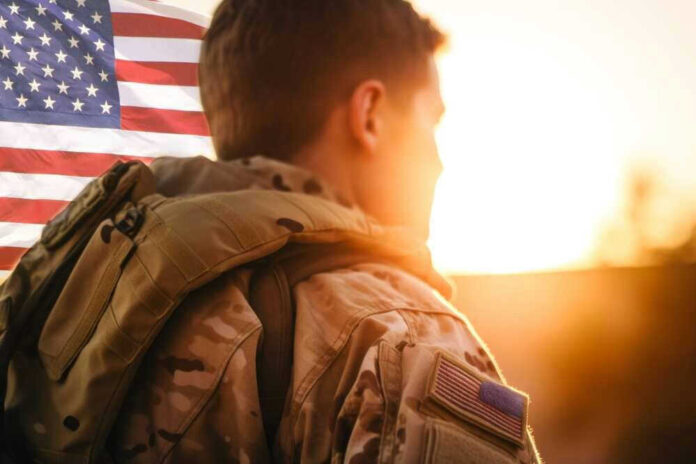
A dramatic federal military intervention looms as the Pentagon readies 1,500 troops for potential deployment to Minnesota, stirring heated debate over federal authority and civil rights.
Story Snapshot
- 1,500 troops from the 11th Airborne Division are on standby for deployment to Minnesota.
- Trump’s potential invocation of the Insurrection Act marks a significant federal response.
- Local leaders oppose the deployment, citing decreased crime and unnecessary escalation.
- The ACLU alleges constitutional violations and racial profiling by federal agents.
Pentagon Preparedness and Federal Response
The Pentagon has placed 1,500 troops from the 11th Airborne Division on standby, ready to respond to escalating protests in Minneapolis. This decision follows President Trump’s threat to invoke the Insurrection Act, a move that would signal a dramatic shift in federal intervention in domestic affairs.
The division, known for its Arctic warfare training, represents a robust federal presence, adding tension to an already volatile situation.
Pentagon readies 1,500 troops for potential Minnesota deployment, U.S. officials say https://t.co/tYTe5K0THn
— CNBC Politics (@CNBCPolitics) January 18, 2026
President Trump, while emphasizing the need for order, has indicated that there is currently no reason to invoke the Act, maintaining the threat as a conditional measure. This stance is consistent with his broader approach to Democrat cities, emphasizing federal authority over local objections.
The potential deployment highlights the ongoing conflict between federal and state powers, especially in matters of law enforcement.
Local Opposition and Civil Rights Concerns
Local leaders, including Minneapolis Mayor Jacob Frey and Minnesota Governor Tim Walz, have expressed strong opposition to the federal intervention. They argue that such measures are unnecessary, pointing to a decrease in crime rates and criticizing the presence of federal agents as escalating tensions rather than calming them.
Governor Walz has mobilized the state National Guard and called for de-escalation, urging the President to reconsider these federal actions.
The American Civil Liberties Union (ACLU) has filed a lawsuit alleging that ICE agents have violated constitutional rights and engaged in racial profiling.
These allegations add a layer of civil rights concerns to the potential military deployment, raising questions about the balance between national security and individual liberties. The presence of federal troops could exacerbate these tensions, impacting community-police relations in the long term.
Implications and Future Considerations
The standby order is indicative of the Trump Administration’s readiness to employ military force in domestic protests, setting a potential precedent for future interventions. While aimed at restoring order, such actions raise fundamental questions about federalism and the appropriate use of military power in civilian situations.
The situation in Minnesota could either serve to suppress protest activities or incite further unrest, depending on community reactions.
As the nation watches closely, the broader implications of this potential deployment extend beyond Minnesota. It reflects a pattern of federal force deployment to Democrat regions, emphasizing a shift in federal-state relations during President Trump’s second term. The ongoing dialogue around these issues will likely influence future policy decisions and public perceptions of federal authority.
Sources:
TIME Magazine: Pentagon Puts 1,500 Troops On Standby For Possible Minnesota Deployment
Politico: Trump Active-Duty Troop Minnesota Deployment