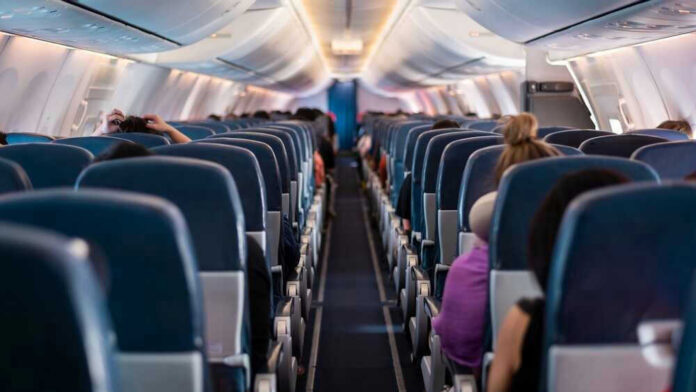
At 39,000 feet over the Atlantic, a strange smell near an aircraft oven was enough to knock out most of the cabin crew and force 281 people into an emergency detour to Dublin.
Story Snapshot
- American Airlines Flight 719 from Rome to Philadelphia diverted to Dublin after a strong odor spread through the cabin.
- Six of nine flight attendants reportedly felt dizzy or ill and were met by paramedics on the ground.
- American Airlines says the odor was traced to an onboard oven, but has not released full technical details.
- The case fits a pattern of vague airline explanations when “mystery odors” send crew for medical checks.
When a Transatlantic Flight Turned Into a Medical Mystery
American Airlines Flight 719 left Rome around midday, headed for Philadelphia, like thousands of routine transatlantic trips every year. About three hours into the flight, while cruising over the North Atlantic, things stopped feeling routine.
A strong odor spread through the cabin, and several flight attendants started to feel sick. Reports say six of the nine flight attendants on board experienced dizziness or felt ill, enough to alarm the pilots and trigger a serious change of plan.
An American Airlines flight from Rome to Philadelphia diverted to Dublin after a mysterious odor onboard caused six flight attendants to become ill. https://t.co/H2Lm6Ag3nK
— PennLive.com (@PennLive) July 29, 2026
The Boeing 787-9 carried 281 passengers and 12 crew members, which is a full house for that type of jet. With most of the cabin crew unable to safely continue the trip, the pilots declared a medical issue and diverted to Dublin Airport in Ireland.
The aircraft landed safely after about six hours of flying, with emergency crews waiting on the ground. Paramedics evaluated the affected flight attendants and one passenger before releasing them.
What American Airlines Says Happened Inside The Cabin
American Airlines gave a simple, direct explanation: there was “a reported odor onboard caused by an oven.” A spokesperson told one outlet the odor was traced to an oven in the galley area of the aircraft.
That matches the basic statement shared with aviation reporters, which cites a “reported odor onboard” as the reason for the diversion and the medical response. The airline has not publicly provided more detail about what exactly in or around that oven produced the smell.
That kind of statement sounds like standard corporate damage control. The company confirms the event, keeps the cause narrow and ordinary, and avoids speculating beyond what maintenance or crew have firmly documented.
That approach respects the need for caution in public safety messages, but it also asks the public to simply trust a short phrase about an oven when the symptoms sounded serious and the details remain thin.
The Crew’s Symptoms And Why They Matter
Multiple outlets describe the same core facts: most of the cabin crew felt lightheaded, dizzy, or ill after the odor appeared. Some accounts call the smell “mysterious” and highlight how quickly the crew was affected.
Others frame the incident more calmly, noting that everyone was released after medical checks and that passengers were given hotel rooms and rebooked for the next morning. No outlet reports long-term injuries or hospital stays, which suggests the event was intense but short-lived.
Still, when six trained flight attendants feel too sick to work, that is not just an inconvenience. Cabin crew are the first line of safety for passengers. When they fall ill, the flight quickly loses redundancy and resilience. That reality makes any vague explanation feel unsatisfying.
Older cases show that initial airline statements can be revised later, once maintenance teams finish detailed inspections, and one prior American Airlines incident even saw the company walk back an early “cleaning product” blame after deeper checks.
The Bigger Pattern Of Odor Incidents And Corporate Spin
This case fits a broader pattern: strange smells on aircraft often get very simple labels, even when the impact is complex. Media reports over the past decade show repeated stories of “mystery odor” or “chemical spill” incidents leading to diversions, medical evaluations, and overnight hotel stays.
Airlines usually confirm the diversion and the number of people checked by paramedics, but they rarely release full technical findings to the public. That keeps most travelers in the dark about whether the root cause was harmless, preventable, or something mechanical.
Customers pay for safe, direct travel, not surprise hotel nights because “something” in an oven made the crew sick. When government regulators stay quiet and detailed maintenance records remain internal, the only story that hardens in public is the company’s short, carefully worded statement.
That may protect the brand and limit legal exposure, but it does little to rebuild trust for people who see a growing list of odor-related diversions tied to the same airline.
What We Know, What We Do Not, And Why It Matters
On Flight 719, the facts are clear up to a point. There was an odor. Most of the cabin crew felt ill. The pilots diverted to Dublin. Paramedics evaluated the crew and one passenger, and everyone was released. American Airlines says the smell was linked to an oven, and passengers were given hotels and rebooked the next day.
What we do not have, in the open record, is the deeper technical story: exactly what failed, what tests were done, and whether procedures changed afterward.
Without that, the oven explanation stands as the only official account, yet it remains hard for an outside observer to fully judge. There is no direct evidence that the airline’s claim is false, but the lack of detail invites healthy skepticism.
For older, paying travelers who have seen big institutions dodge responsibility before, the mix of “mystery odor,” sick crew, and a one-line cause feels familiar.
Sources:
foxbusiness.com, usatoday.com, nypost.com, bbc.co.uk, aeroinside.com, ibtimes.co.uk, facebook.com, aviation.direct, bbc.com