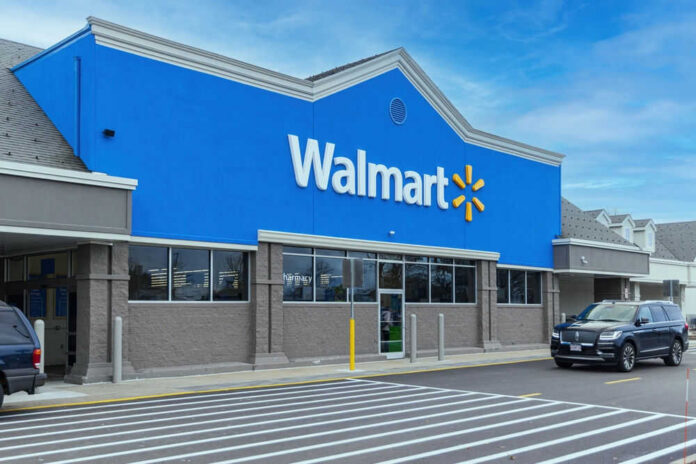
A luxury beauty giant just hauled America’s biggest retailer into federal court over alleged counterfeits—raising fresh questions about whether online “marketplaces” are shielding themselves from accountability.
Quick Take
- Estée Lauder filed a federal lawsuit accusing Walmart of selling counterfeit fragrances and skin-care items through Walmart.com.
- The complaint targets high-end brands including Le Labo, Clinique, La Mer, Tom Ford, and Aveda.
- The case was filed Feb. 9, 2026, in the U.S. District Court for the Central District of California; reporting followed Feb. 10.
- Estée Lauder is seeking a court order to stop the alleged sales and monetary damages arising from trademark claims.
- Walmart had not immediately responded publicly at the time of initial reporting.
What Estée Lauder alleges Walmart.com allowed to happen
Estée Lauder Companies Inc. and related entities filed suit in federal court in California, accusing Walmart of selling counterfeit versions of its products through Walmart.com.
The allegations cover both fragrances and skin-care goods and include premium brands under the Estée Lauder umbrella, such as Le Labo, Clinique, La Mer, Tom Ford, and Aveda.
The legal claims described in early reporting include trademark infringement and false designation of origin, and Estée Lauder has requested injunctive relief and damages.
Estee Lauder sues Walmart alleging 'despicable' sale of counterfeit beauty products https://t.co/sCGBWelqMr
— CNBC (@CNBC) February 10, 2026
The case posture matters because the dispute isn’t about a flea-market table or a random social media ad—it is centered on a mainstream e-commerce channel used by millions of Americans who assume basic authenticity when they order a branded product.
The reporting indicates the lawsuit focuses on allegedly “knockoff” items that used identical or substantially indistinguishable branding. At this stage, the claims remain allegations until tested in court, and the case is in its earliest phase.
Why the court venue and timeline are important
The complaint was filed in the U.S. District Court for the Central District of California, with the story publicly reported the following day. The docket listing identifies the case and confirms it is active, but early filings typically provide more accusations than answers.
The court will set deadlines, and Walmart will have an opportunity to respond through motions or an answer. No hearings or rulings were described in the available reporting at the time.
Because the case is newly filed, there is limited public information about how the allegedly counterfeit listings appeared, which sellers were involved, and what internal steps, if any, were taken before the lawsuit.
Early coverage noted Walmart did not immediately respond to a request for comment. That silence can reflect standard corporate litigation practice. Still, it also leaves consumers and investors with an unresolved question: how much responsibility should a platform bear when brand-name goods are sold on its site?
The marketplace liability question—and why it keeps coming back
The dispute highlights a long-running legal and policy tension: large retailers increasingly operate online marketplaces where third-party sellers can list goods, creating convenience and competition but also openings for counterfeits.
Estée Lauder’s suit, as reported, seeks to stop allegedly infringing sales and recover money damages, which can increase pressure on retailers to tighten verification and enforcement. Whether liability attaches can depend on facts about control, notice, and the specific conduct alleged.
Available research also underscores how little is confirmed publicly right now beyond the basic claims and the venue. No prior Estée Lauder-Walmart history was detailed in the provided sources, and broader comparisons to other platform cases are not a substitute for the case-specific record the court will develop.
Still, the pattern is familiar: brands argue that trust is being exploited, while platforms often point to third-party sellers. The court’s handling will be watched by other retailers running similar models.
What does it mean for consumers who want the real product
Counterfeits aren’t just a “brand problem”; they can be a consumer safety and transparency problem, particularly for products applied to skin. The lawsuit’s focus on premium beauty brands also challenges the assumption that counterfeits target only luxury handbags or electronics.
For shoppers, the practical takeaway is simple: when an online listing looks official, many people assume the platform has verified authenticity. Litigation like this exists because that assumption does not always match reality.
From a conservative, common-sense standpoint, this case is a reminder that massive corporations and massive online systems still depend on enforceable rules—clear trademarks, honest advertising, and real consequences when consumers are allegedly misled.
What the current record doesn’t support is any definitive conclusion about who specifically listed the products, how widespread the alleged counterfeits were, or what internal compliance steps Walmart took. Those facts should emerge, if at all, through the court process.
Sources:
Estée Lauder Files Lawsuit Against Walmart Alleging Sales of Counterfeit Products
Estee Lauder, Inc. et al v. Walmart, Inc. et al (2:2026cv01341)
Estée Lauder sues Walmart over alleged counterfeit fragrances