Authorities released a “person of interest” in the Brown University mass shooting that left two students dead and nine injured, raising serious questions about campus security failures and the investigation’s handling.
Story Highlights
- Two students killed and nine injured in Brown University campus shooting during exam period
- Person of interest detained then released as investigation takes “different direction”
- Campus doors left unlocked during exams, exposing security vulnerabilities
- Part of nearly 400 mass shootings nationwide this year according to Gun Violence Archive
Investigation Takes Unexpected Turn
Rhode Island authorities released a man in his twenties who was detained as a person of interest in Saturday’s deadly Brown University shooting. Providence Mayor Brett Smiley announced at a late-night press conference that the investigation was heading in a “different direction.”
Rhode Island Attorney General Peter Neronha acknowledged they had not solved the case but expressed confidence in finding answers soon. The sudden reversal raises questions about the initial detention and investigation protocols.
🚨 MAJOR BREAKING: Person of interest detained in Brown University shooting is being RELEASED without charges — gunman STILL at large!
What the hell is going on in Providence?! Total incompetence pic.twitter.com/kYNVqBK1br
— Alec Lace (@AlecLace) December 15, 2025
Campus Security Failures Exposed
The shooting occurred in Brown’s Barus & Holley engineering and physics building, where outer doors remained unlocked during exam periods. Students were taking finals when the gunman entered and opened fire in a classroom.
Teaching assistant Joseph Oduro described bullets hitting the chalkboard where he had been standing moments before. This security lapse allowed unrestricted access to vulnerable students during one of the most stressful academic periods, highlighting dangerous gaps in campus protection.
FBI Technology Tracks Wrong Suspect
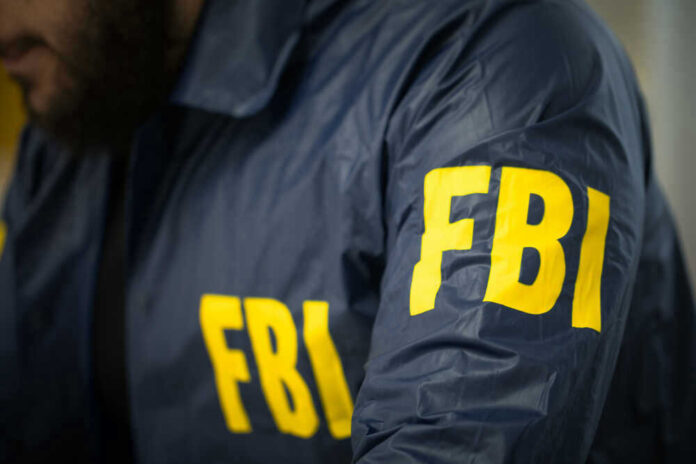
FBI Director Kash Patel revealed that agents used cellular data analysis and geolocation technology to track the person of interest to a Coventry hotel room. The high-tech pursuit appeared successful initially, but authorities later determined they had the wrong individual.
Officials declined to explain the evidence that justified the detention, citing only a “quantum of evidence.” The technological capabilities demonstrated effective law enforcement tools, yet the ultimate release suggests either faulty intelligence or misdirection in the investigation.
Community Impact and Campus Response
Brown University canceled remaining exams and classes for the year following the tragedy. Seven injured victims remained in stable condition, with one in critical but stable status. Graduate student testimonies revealed the terror experienced during the five-hour lockdown period.
The incident represents another failure of campus security systems that should protect students pursuing their education. Despite shelter-in-place orders being lifted, the actual shooter remains at large, leaving the university community vulnerable.
National Pattern of Violence
This shooting marks one of nearly 400 mass shootings in America this year, according to the Gun Violence Archive. The frequency of such incidents has led to the normalization of active-shooter drills in schools nationwide.
Graduate student Jack DiPrimio admitted feeling desensitized to lockdowns due to repeated drill experiences throughout his academic career. This tragic normalization represents a fundamental failure to address the root causes of violence while placing Band-Aid solutions on deeper societal problems affecting our educational institutions.