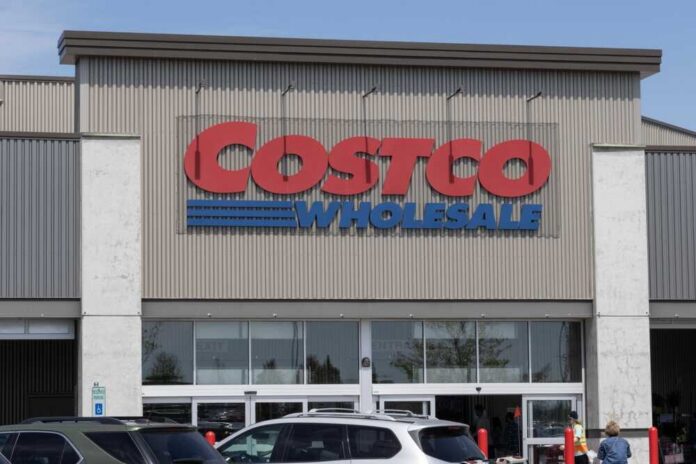
Costco pulled a popular holiday whipped cream after customers said it smelled and tasted like a cleaning product.
Story Snapshot
- Alamance Foods issued a voluntary recall of Kirkland Signature Real Heavy Whipped Cream due to possible contamination with cleaning chemicals.
- Only specific cans are affected, identified by item number, date, and time window.
- Sales were limited to 12 states, not nationwide, during October 11–31, 2026.
- Costco told customers to stop using the product and return it for a full refund.
What Costco Pulled And Why It Matters
Alamance Foods told Costco members it was recalling one batch of Kirkland Signature Real Heavy Whipped Cream because the product may contain a small amount of a cleaning chemical. The notice followed reports from customers who smelled and tasted something off. The company framed the action as voluntary and precautionary, as most food recalls are in the United States. The timing landed right before Thanksgiving, which raised attention because whipped cream is a holiday staple.
The recall did not blanket the entire product line. It targeted a defined slice so shoppers could check their cans. Reports pointed to 15-ounce cans, Item No. 1777000, with an April 2, 2027 “best if used by” date and timestamp codes between 00:35 and 02:45, marked AC50. Narrowing the scope helps families know if their dessert topping is safe or should go back to the warehouse. Precision also speeds removal from shelves.
Where It Was Sold And What To Do Now
Costco sold the affected cans in 12 states: Alabama, Florida, Georgia, Iowa, Illinois, Indiana, Missouri, Mississippi, North Carolina, South Carolina, Tennessee, and Wisconsin. If a can matches the identifiers, the advice is simple and direct: stop using it and return it to Costco for a full refund. That remedy is standard and consumer-friendly. It spares shoppers the guesswork and puts the cost of the mistake on the seller and maker, where it belongs under basic fairness.
Alamance Foods said customers reported a chemical smell and taste, but no serious adverse effects that needed medical care had been reported when the recall went out. That statement is not a health guarantee, but it offers helpful context for families weighing risk and deciding how to handle open cans in the fridge. If a can does not match the listed identifiers, it falls outside the recall and can be used as normal.
How Recalls Work And Why “Voluntary” Still Has Teeth
Most food recalls in the United States are voluntary. Companies alert buyers and work with the Food and Drug Administration (FDA) on the plan, scope, and effectiveness checks that make sure products come off shelves and out of homes. This process is designed to move quickly, often before lab results are public, so potential hazards do not linger in carts, pantries, and holiday spreads. The label “voluntary” does not mean casual; it signals the normal pathway for fixing a safety issue.
A voluntary recall has been issued on all cans of Kirkland Signature Real Heavy Whipped Cream purchased between Oct. 11-Oct. 31, 2026 due to possible chemical contamination. https://t.co/ikB00nVU1z pic.twitter.com/QFPoGluCTs
— Doctora La Jefa con la salsa (@Mahogany_Mama) November 14, 2026
Chemical contamination is a known recall category alongside issues like bacteria or undeclared allergens. Many chemical recalls get a mid-level risk label because dose and exposure time matter a lot. The core job for consumers is straightforward: match the can details, follow the refund path, and replace the topping if needed. The core job for the company is to trace the root cause, verify the fix, and communicate clearly so trust recovers as fast as the shelves do.
Sources:
heraldonline.com, sfchronicle.com, newsobserver.com, fda.gov, repository.library.noaa.gov