In a move that has Washington buzzing, Secretary of War Pete Hegseth has summoned top generals and admirals from across the globe to Virginia for a rare, closed-door meeting—raising questions about the future of America’s military leadership under President Trump.
Story Snapshot
- Secretary of War Pete Hegseth calls an unprecedented meeting of U.S. and allied military leaders at Quantico, Virginia.
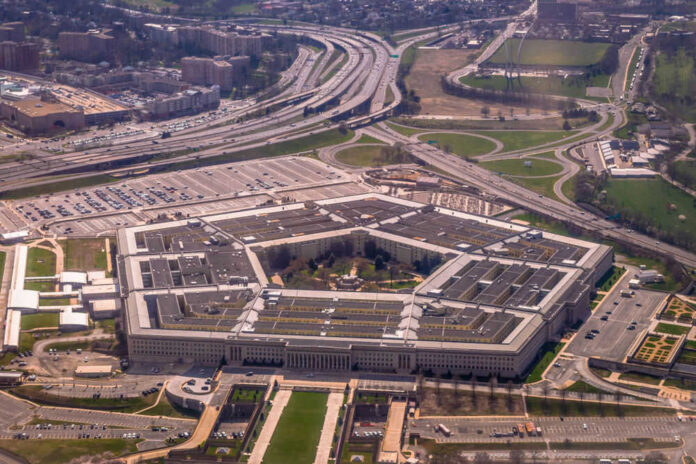
- President Trump’s executive order renames the Pentagon as the Department of War, signaling a shift in defense priorities.
- The Pentagon is considering a significant reduction in the number of top-ranking generals and admirals.
- The meeting’s agenda remains undisclosed, fueling speculation about major reforms in military command and structure.
Historic Gathering of Military Leaders in Quantico
Secretary of War Pete Hegseth has directed a wide array of generals, admirals, and their senior staff from around the world to assemble at Quantico, Virginia, next week. U.S. officials confirmed the extraordinary summons on Thursday, September 25, 2025. This scale and urgency of the meeting—held in person and on short notice—stand out as highly unusual, if not entirely unprecedented, in recent Pentagon history. Such a gathering signals that significant decisions or announcements may be imminent concerning America’s military direction and preparedness.
Trump Administration’s Bold Rebranding and Policy Shift
Earlier this year, President Trump signed an executive order to officially rename the Defense Department as the Department of War, appointing Pete Hegseth as Secretary of War. While Congress retains the authority to make the change permanent, the symbolic move underscores a broader shift toward assertiveness and clarity in national defense policy. Chief Pentagon spokesman Sean Parnell has stated that Hegseth will address his senior military leaders at the upcoming meeting. However, the Pentagon has withheld further details from both the military brass and the press, heightening curiosity—and concern—about the administration’s intentions.
Plans to Restructure Military Leadership
In a marked departure from the status quo, Secretary Hegseth has announced plans to reduce the number of high-ranking officers. According to a memo circulated in May, the Pentagon aims to cut 20% of four-star positions in the active-duty force and trim a similar percentage from the National Guard’s general ranks. Hegseth’s early tenure was characterized by a town hall at the Pentagon, where he questioned whether every current four-star general or admiral is essential to the mission. This effort targets the bloated bureaucracy that many conservatives argue has grown disconnected from both frontline service members and the values they defend.
Lack of Transparency Fuels Speculation and Concern
The Pentagon’s reluctance to share further information about the meeting’s agenda with either military leaders or the press has fueled a wave of speculation. In an era where transparency and accountability are paramount, the secrecy surrounding this large-scale meeting raises questions about what reforms or directives may be issued behind closed doors. President Trump, when asked about the gathering, expressed strong approval, stating, “I love it. Let them be friendly with the generals and admirals from all over the world. Is there something wrong with it?” The President’s confidence contrasts with the military community’s—and the public’s—hunger for more clarity about potential changes to the nation’s defense posture.
Potential Impact on Conservative Values and National Security
For Americans concerned about constitutional protections, government overreach, and the integrity of U.S. defense institutions, the current shakeup represents both an opportunity and a risk. Streamlining military leadership could reduce bureaucratic inefficiencies and refocus the armed forces on core missions aligned with American interests. However, any lack of transparency or deviation from tried-and-true principles should be closely monitored to ensure that reforms strengthen—not erode—the military’s ability to defend the nation and uphold the values codified in the Constitution. As the Trump administration continues to challenge the status quo, vigilance remains essential to safeguard both liberty and security.