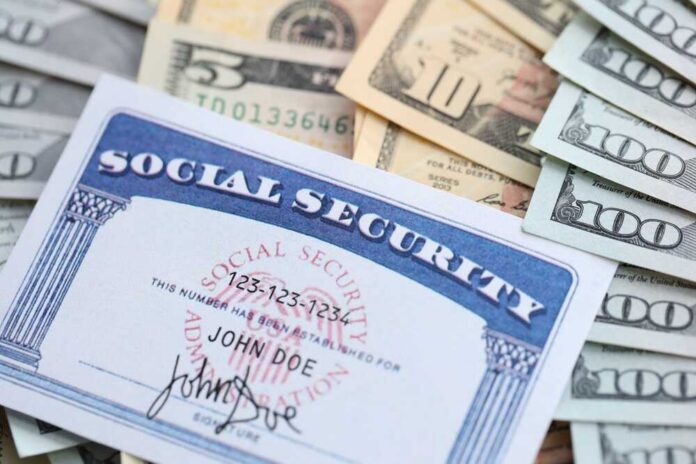
Social Security says it corrected nearly 50 million Social Security number records, a sweeping data cleanup that touches almost one in seven active numbers.
Story Snapshot
- Agency reports updates spanning death dates and citizenship status
- Counts include about 42 million finished fixes and 8.5 million in progress
- Sources include State Department and Department of Homeland Security systems
- Goal is to boost identity checks and block improper payments
What the agency says it fixed and why it matters
The Social Security Administration said it corrected errors across nearly 50 million records tied to Social Security numbers. The agency framed the work as the largest such cleanup in its history, covering almost 15 percent of about 330 million active numbers in its files. The aim is simple and high stakes: cleaner data strengthens identity checks used by many agencies and reduces risk that taxpayer money goes to the wrong person or the wrong place.
The breakdown shows how broad the sweep was. About 17 million records received missing dates of death after checks against Social Security’s internal systems and data from the Department of State. About 25 million records gained missing citizenship information. Another 8.5 million had incorrect citizenship status flagged for correction and were moving toward completion at the time of the announcement. These are the fields that drive eligibility and program integrity, so gaps here carry outsized risk.
How the numbers add up without hype
The headline “nearly 50 million” blends completed and in-process work. The completed bucket is about 42 million updates, with the remaining 8.5 million in the correction pipeline. That nuance matters for expectations. Agencies must often stage large fixes: verify sources, queue changes, and then push them live. The agency says its data sources included its own death records, State Department feeds, and the Department of Homeland Security’s Systematic Alien Verification for Entitlements service.
Why should taxpayers care? Social Security data flows everywhere. Federal agencies and states ping these records to confirm that a person is alive, eligible, and who they claim to be. Past watchdog work shows the cost of weak death data. The Social Security inspector general found payments kept going to thousands of accounts even after death entries appeared, with an estimated $31 million in questionable benefits in one review window. Better upstream records can stop that before the check goes out.
The bigger pattern: messy inputs drive bad outcomes
Government records rot in quiet ways. People die. Citizens naturalize. Names change. Data does not clean itself. The Government Accountability Office has long warned that death data, as handled by Social Security, can miss people who died or, worse, mark living people as dead, which causes painful harm and program errors. The fix is not magic; it is steady plumbing: match more sources, verify fast, correct with care, and share high-quality files with agencies that depend on them.
Clean death and citizenship fields also help prevent improper payments across programs beyond Social Security. The Office of Management and Budget and inspectors general have pushed agencies to use better death data to check eligibility before money moves. When the Department of the Treasury tested using Social Security’s full death file at the front end, it reported more than $31 million in prevented and recovered losses in five months. Those are wins any household would understand.
Conservative lens: measure twice, cut once
Taxpayers deserve two things at once: fewer improper payments and strong proof the fixes are right. The counts here are large and, on their face, encouraging for program integrity. Prudence says agencies should keep publishing clear, category-level results and show how they validate matches. That approach lines up with common sense and with a basic conservative principle: stewardship. Spend the effort to get identity data right so benefits go only to those who earned them, and every dollar is guarded.
One brief caveat belongs in the fine print: the nearly 50 million figure includes about 8.5 million citizenship-status corrections that were still being processed at the time of reporting. That does not undercut the scope of the effort; it simply separates what is done from what is queued. The larger signal stands. Social Security is scrubbing its core identity files at a scale that can cut errors, speed service, and protect the programs millions of Americans rely on every month.
Sources:
foxbusiness.com, socialsecuritynews.com, therothmanreport.com, oig.ssa.gov