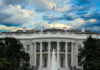
The White House will keep high tariffs in place even after voters rebelled over prices, because it sees them as fuel for national strength and factory revival.
Story Snapshot
- The White House links tariffs to national and economic security.
- Critics say tariffs act like a consumption tax on Americans.
- Manufacturers report higher costs tied to tariffs this year.
- Trade data show tariffs lift prices but also boost some output.
The decision: stay the course on a costly, strategic bet
The White House says tariffs on steel, aluminum, copper, and related goods are not a campaign slogan. They are a national security tool. A presidential proclamation strengthened duties and widened coverage to address what it called a real security threat from subsidized imports and fragile supply chains. The policy aims to pull investment back home and reward gear built with United States metal. The message after the midterms was clear: price pain now for resilience and capacity tomorrow.
Officials argue that foreign rivals undercut core industries with state support. They warn that the nation cannot build ships, grids, or missiles if it depends on foreign metal. The June framework even offered lower rates if factories used equipment with very high shares of United States “melted and poured” steel and aluminum, a direct nudge to retool onshore. This is industrial policy through the tariff code. It picks steel, aluminum, copper, autos, and solar inputs as critical, and makes imports pay to enter.
The backlash: prices up, voters angry, and warnings from the right
Former National Economic Council director Gary Cohn described tariffs as a consumption tax. He said families end up paying more at the store, and businesses reconsider orders when costs rise. A New York Federal Reserve estimate, shared in major coverage, tied the 2025 tariff wave to a 2.9-percentage-point jump in consumer prices by early 2026, with added pressure from higher input costs for manufacturers. That is the sticker shock voters feel when they buy appliances, cars, and building materials.
Company surveys match that pain. The National Association of Manufacturers reported that most firms saw higher costs due to tariffs, with an average increase of nearly 8% in 2025. Many said they delayed projects and cut other spending to cope. Business leaders also told a national forum that suppliers passed through tariff costs right away, stretched lead times, and squeezed margins. Construction and seafood firms cited thinner inventory and slower deliveries as they scrambled for alternates.
What the data say: higher prices, fewer imports, some output gains
Independent work by the United States International Trade Commission found a blunt pattern from earlier rounds that still applies. Import prices rose almost one-for-one with the tariffs. Import volumes fell. Domestic output in protected sectors rose a bit, and domestic prices for those goods also ticked up. That math explains the split screen. Tariffs can revive a mill or smelter while raising costs for downstream plants and consumers. The gains are local and visible; the costs spread out and feel like “everything costs more.”
Conservatives value secure borders, strong industry, and fair play. They also believe families should keep more of every paycheck. On that score, the critique lands. If tariffs stay broad and high, they will function like a steady tax on daily life. The smarter path is to narrow the fire to chokepoints that matter most for defense and grids, keep time limits, and pair tariffs with fast-track permits, cheap energy, and tax expensing. That mix builds capacity without baking in endless price creep.
White House vows to press ahead with tariffs despite midterm backlash over rising prices https://t.co/LucGuE1P7w
— CNBC (@CNBC) November 10, 2026
The road ahead: shrink the bite, keep the backbone
Staying the course sets a test. If factories do not break ground, hire, and deliver more tonnage soon, the case for blanket tariffs weakens. The White House already built levers to reward onshore gear and high United States content. It should use them hard, and sunset blanket rates as new plants come online. Tie relief to milestones—new furnaces lit, output up, delivery times down. Target evasion and subsidy dumping with a scalpel, not a sledgehammer.
Voters can accept a bridge toll if they see the bridge. Show the wins: reopened mills, shorter wait times for transformers, more auto parts stamped at home. Publish scorecards each quarter. If results miss targets, ratchet down rates fast. If adversaries flood the market, snap them back. That is common sense: defend the strategic core, defend the family budget, and never confuse temporary leverage with a forever tax.
Sources:
cnbc.com, whitehouse.gov, nam.org, bloomberg.com, finance.yahoo.com, usitc.gov