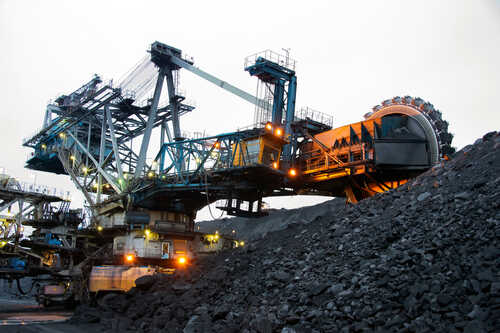
Thirteen million acres of American land are now open for coal mining, federal subsidies are pouring into coal plants, and environmental rules are being swept aside—ushering in an era that champions energy independence and constitutional priorities while infuriating progressive critics.
Story Snapshot
- The Trump administration designates coal as a “critical mineral” and rolls back environmental regulations.
- $625 million in direct federal subsidies announced for coal-fired power plants.
- 13.1 million acres of federal land opened for new coal mining leases.
- Supporters emphasize jobs, grid reliability, and national security; critics caution about environmental and health risks.
Trump Administration Declares Coal Critical to U.S. Security
President Trump’s administration has formalized coal’s status as a “critical mineral” for America, issuing executive orders in March and April 2025 that prioritize increased domestic mineral production and energy security. These actions direct federal agencies to eliminate regulatory barriers and provide direct support, marking a decisive break from the previous administration’s focus on climate regulations and renewable energy. The White House argues that reviving the coal industry is essential to national security, economic growth, and the reliability of the nation’s power grid.
Trump eyes looser restrictions, funds for coalhttps://t.co/GkkDP189GI
— The Hill (@thehill) September 30, 2025
The Department of Energy, Interior, and Environmental Protection Agency jointly announced in September an unprecedented $625 million in federal subsidies for coal-fired power plants. This move is paired with the opening of 13.1 million acres of federal land for new coal mining leases, a scale never before attempted in U.S. history. The administration claims these steps will stabilize electricity costs, create jobs in struggling regions, and meet rising demand from burgeoning sectors like AI data centers and domestic manufacturing.
Regulatory Rollbacks and Industry Incentives Reshape the Energy Landscape
Key regulations on wastewater discharge, air quality, and land use—long seen as obstacles to coal’s profitability—are being delayed or weakened under new EPA guidelines. The administration insists this is necessary to cut red tape, reduce energy prices, and ensure grid reliability. Coal producers and utilities, facing years of market losses and plant closures under previous policies, now benefit directly from both regulatory relief and fresh federal funding. Environmental organizations, however, are mounting legal challenges, warning of increased pollution and public health risks for communities near coal facilities.
While the administration frames these moves as a restoration of common sense and American self-reliance, critics argue they reverse decades of environmental progress. The policy shift has reignited national debates over the balance between economic growth, energy independence, and environmental responsibility. Supporters maintain that the rollback of “woke” regulatory agendas finally puts American jobs and constitutional interests first, while opponents claim the long-term costs—both fiscal and environmental—outweigh short-term economic gains.
Economic, Political, and Social Impacts: Who Wins and Who Loses?
For communities dependent on coal mining and power generation, the new federal subsidies and land leases promise job retention and potential growth after years of decline. Utility customers nationwide may see energy price stability in the short term, though some grid analysts warn that keeping aging coal plants open could ultimately raise costs for consumers through inefficient operations. The renewable sector faces new headwinds as policy shifts favor traditional energy sources over wind and solar development, potentially slowing America’s energy transition.
Opposition remains fierce. Environmental groups like Earthjustice are pursuing legal action, citing threats to public health, increased pollution, and the undermining of clean energy progress. The administration, meanwhile, touts the restoration of jobs, the protection of American industry, and a renewed commitment to domestic energy security. As agencies begin implementing these sweeping changes, the coming months will reveal whether this aggressive course correction achieves its promised benefits—or sparks new battles over America’s energy future.
Sources:
Earthjustice responds to Trump administration coal industry giveaways
Reinvigorating America’s Beautiful Clean Coal Industry and Amending Executive Order 14241