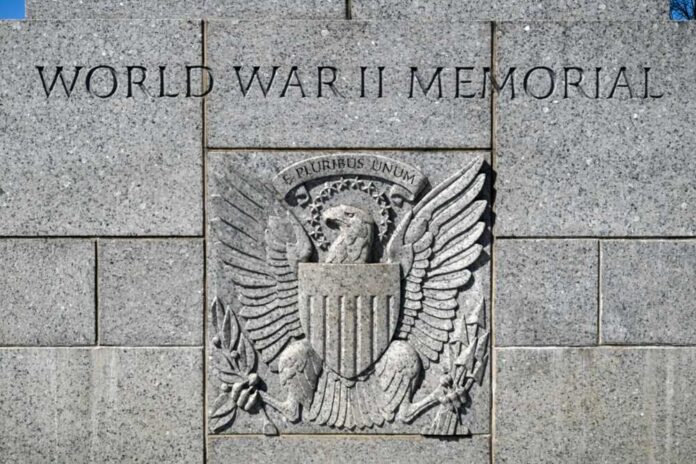
Federal prosecutors charged a Kentucky woman with two felonies after the World War II Memorial was defaced with paint and bubbles on the National Mall.
Story Snapshot
- Officials named Melissa L. Farris as the suspect after a swift investigation.
- Charges include damage to U.S. property and destruction of a veterans memorial.
- Witness photos, officer recognition, and a reported livestream aided identification.
- The memorial closed for cleanup and later reopened; the probe continues.
Arrest Announced After Memorial Defaced With Paint And Bubbles
The Justice Department announced two felony charges against Melissa L. Farris of Elizabethtown, Kentucky, after the World War II Memorial was vandalized on Thursday, Aug. 13, 2026. Reporters on scene described red paint spelling “Clean hands dirty $” and bubbles in the fountain.
The Interior Department said United States Park Police responded, closed the site for cleaning, and reopened it later that day. The arrest announcement followed on Friday, Aug. 14, 2026.
Prosecutors said the offenses are depredation against property of the United States and destruction of veterans’ memorials, each punishable by up to 10 years in prison if legal thresholds are met.
These statutes are often used when federal sites or war memorials are damaged. Congress has imposed tough penalties for willfully harming monuments that honor the service of United States troops, and federal law clearly supports that stance.
How Investigators Moved Fast
Witnesses at the memorial took photos as the act unfolded. Those images circulated among United States Park Police officers, according to reports. An officer recognized the suspect from an Aug. 10 arrest for unlawful camping on federal property.
Investigators then matched identity details to Kentucky driver’s license records that listed Melissa L. Farris. Outlets also reported a livestream or social video where the woman appeared to take credit and said she would turn herself in.
The timeline tracked closely across outlets: vandalism Thursday, charges and arrest announcement Friday. That pace reflects how agencies treat crimes at symbolic federal sites.
When the site is a national shrine, the government moves to signal control and respect. The Interior Department underscored that message while crews cleared the paint and scrubbed suds from the fountain slabs and water lines before reopening.
What The Charges Mean And Why They Matter
Depredation against U.S. property covers willful damage to government assets. The veterans memorial law targets harm to structures that honor service members. Together, they fit the facts alleged here: paint on stone elements and a foaming agent in a working feature of a war memorial.
Prosecutors cite these tools because they speak a language the public understands: you do not damage what Americans built to remember sacrifice. That is not censorship; it is basic civic order.
MELISSA FARRIS ARRESTED OVER WWII MEMORIAL VANDALISM
U.S. Attorney Jeanine Pirro on Friday announced the arrest of a suspect who allegedly vandalized the WWII Memorial in Washington, D.C.,
The suspect, Melissa Farris, livestreamed the act on social media and admitted to doing…— Worldwide News Network (@WorldwideNNX) August 15, 2026
Some ask whether these cases get overcharged. Prior protest-era matters, like incidents around the Lincoln Memorial and the Reflecting Pool, saw changes later in court. That history is real, but it does not dilute the current charges on their face.
The appropriate path is simple: present the evidence, test it in court, and let the statutes do their work. That approach respects free speech while drawing a bright line against the destruction of revered places.
Why This Case Hits A Nerve
The World War II Memorial sits between the Lincoln Memorial and the Washington Monument. Families leave flowers there. Veterans roll up in wheelchairs and touch the state pillars. Defacing that ground offends people who rarely agree on anything else.
Swift enforcement here aligns with the duty to protect shared national spaces. If officials can guard bank vaults and bridges, they can guard memorials that hold our history.
What Comes Next
Farris will face the charges in federal court. The government will present witness images, officer statements, and any saved social media clips. The defense will test identification, intent, and damage claims. The court will weigh the record and apply the law.
That sober process is the right answer to a loud act. It sends a calm signal to millions who visit the Mall: you can honor the fallen in peace, and the law will keep it that way.
Sources:
washingtontimes.com, nytimes.com, abcnews.com, reuters.com