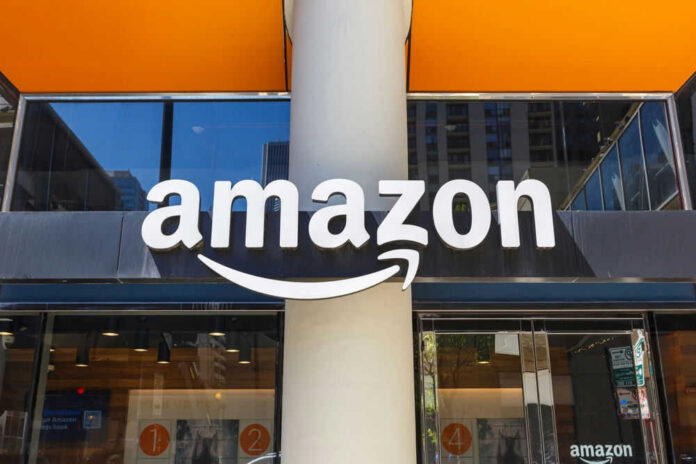
Amazon just turned weight loss medication into something you can grab faster than your morning coffee, and the ripple effects might reshape how Americans access healthcare forever.
Story Snapshot
- Amazon Pharmacy now dispenses GLP-1 weight loss pills through automated kiosks and same-day delivery in thousands of U.S. locations
- Eli Lilly’s Foundayo pill available for as little as $25 monthly with insurance or $149 self-pay, undercutting traditional pharmacy pricing
- Five California kiosks currently operational with national expansion planned for 2026, targeting 4,500 same-day delivery locations by year-end
- Patients complete telemedicine consultations and receive prescriptions within hours, bypassing traditional doctor visits and pharmacy waits
- Traditional pharmacies face existential threat as Amazon integrates healthcare consultation, prescription, dispensing, and delivery into one seamless ecosystem
The Convenience Revolution Arrives at Your Doorstep
Amazon Pharmacy launched distribution of Eli Lilly’s Foundayo through automated kiosks at One Medical locations and same-day delivery services across 3,000 U.S. cities. The program allows patients to complete telemedicine consultations, receive prescriptions, and obtain GLP-1 weight loss medications within hours.
Five kiosks currently operate in California’s Los Angeles area, with expansion planned throughout 2026. The initiative marks Amazon’s most aggressive healthcare move since acquiring One Medical for $3.9 billion in 2022, positioning the retail giant as a major pharmaceutical distributor.
Amazon to carry Ozempic pill at U.S. kiosks, offer same-day delivery https://t.co/NCsyXNo2fO
— CNBC (@CNBC) May 7, 2026
Follow the Money: Pricing That Disrupts the Market
Foundayo costs $149 monthly for self-pay patients at the lowest dose, substantially less than competitors charge through traditional channels. Commercial insurance brings costs down to $25 monthly, while Medicare Part D coverage launching in July 2026 offers $50 monthly pricing.
Amazon partnered with WW International and GoodRx to provide additional discount options. The pricing structure undercuts conventional pharmacy models by eliminating intermediary costs. Eli Lilly controls supply and pricing, but Amazon’s distribution efficiency allows both companies to capture margins typically lost to traditional pharmacy chains.
The Technology Behind the Transformation
Amazon One Medical kiosks function as automated pharmacy dispensing stations integrated with telemedicine platforms. Patients schedule virtual consultations with healthcare providers, receive prescriptions electronically, and either pick up medications from kiosks within hours or request same-day delivery.
The kiosks stock Foundayo and Novo Nordisk’s Wegovy, which became available in January 2025. Amazon Pharmacy VP Hannah McClellan Richards announced plans to expand beyond California in 2026, with discussions underway to introduce kiosks through partnerships with external health systems.
Who Wins and Who Loses in This New Reality
Urban patients with insurance coverage gain unprecedented access to medications previously difficult to obtain. Amazon ecosystem users benefit from integrated services that leverage existing delivery infrastructure. Eli Lilly secures direct-to-consumer distribution channels that bypass traditional gatekeepers.
Traditional pharmacies like CVS and Walgreens face declining market share as consumers choose convenience over familiarity. Rural populations remain underserved since same-day delivery concentrates in metropolitan areas. Uninsured patients still face $149 monthly costs, hardly affordable for many Americans struggling with obesity.
The Regulatory Landscape Nobody’s Talking About
State pharmacy regulations vary dramatically, creating compliance challenges for national expansion. Amazon must navigate licensing requirements, dispensing protocols, and telemedicine prescribing rules that differ across jurisdictions. The FDA supports innovative distribution models but maintains oversight on medication safety and quality control.
Medicare Part D coverage negotiations required extensive coordination with federal agencies. Antitrust concerns loom as Amazon consolidates healthcare services under one corporate umbrella.
Market competition benefits consumers through lower prices and improved access, but concentration of healthcare power in tech companies raises legitimate concerns about data privacy and market manipulation.
What This Means for Traditional Healthcare
Primary care physicians may see reduced patient visits for GLP-1 prescriptions as telemedicine consultations replace in-person appointments. Endocrinologists face potential shifts in patient management as convenient access changes referral patterns.
Insurance companies confront increased claims volume offset by lower per-unit costs from competitive pricing. The model demonstrates how vertical integration drives efficiency, controlling consultation, prescription, dispensing, and delivery under one operational framework.
Traditional healthcare advocates argue this treats access symptoms rather than addressing root pricing causes, while patient advocates celebrate reduced barriers to life-changing medications.
The Expansion Timeline You Need to Watch
Amazon currently operates five California kiosks with same-day delivery available in approximately 3,000 locations nationwide. The company plans kiosk expansion outside California throughout 2026, targeting partnerships with external health systems.
Same-day delivery coverage aims to reach 4,500 locations by year-end 2026, prioritizing urban centers with existing logistics infrastructure. Wegovy became available through kiosks in January 2025, followed by Foundayo in May 2026. Medicare Part D coverage begins in July 2026, potentially expanding access for millions of seniors struggling with obesity-related health conditions.
The Broader Healthcare Transformation Underway
This initiative represents more than medication distribution; it signals fundamental restructuring of pharmaceutical access in America. Manufacturers gain direct consumer relationships, pharmacies face automation pressures, and telehealth integration becomes standard rather than novelty.
The GLP-1 market approaches $100 billion opportunity size, attracting intense competition from established healthcare players and tech disruptors alike. Consumer expectations shift toward instant gratification even in healthcare, forcing providers to innovate or perish.
The question remains whether convenience-driven healthcare serves patients’ best interests or simply transfers control from one set of gatekeepers to another, larger and more technologically sophisticated.
Sources:
Amazon GLP-1 Pill Foundayo Kiosks Same-Day Delivery – Healthline
Amazon Pharmacy Expands Access to New Ozempic Pill – Las Vegas Sun
Amazon Pharmacy Kiosks – Amazon Pharmacy