The Federal Reserve’s most divided vote since 1992 exposes a central bank on the brink of fracture, as oil-fueled inflation clashes with political demands for rate cuts.
Story Snapshot
- Fed holds rates at 3.5%-3.75% in an 8-4 vote, the highest dissents since October 6, 1992.
- Three regional presidents reject easing bias amid elevated inflation from $100+ oil and the Middle East war.
- Jerome Powell leads likely final meeting before May 15 term end; Kevin Warsh awaits Senate nod as Trump pick.
- Governor Stephen Miran dissents for an immediate cut, highlighting the internal hawk-dove split.
- Traders see no 2026 cuts, signaling prolonged high rates amid geopolitical risks.
FOMC Delivers Divided Rate Hold on April 29, 2026
The Federal Open Market Committee voted 8-4 to keep the federal funds rate at 3.5%-3.75%, marking the third consecutive hold in 2026 and steady since December 2025.
Three regional presidents—Beth Hammack of Cleveland, Neel Kashkari of Minneapolis, and Lorie Logan of Dallas—supported the rate decision but dissented against the policy statement’s easing bias. They cited persistent inflation risks from surging global energy prices. Governor Stephen Miran dissented separately, pushing for a quarter-point cut to boost growth.
Policy Statement Escalates Inflation Warnings
Fed policymakers upgraded their inflation description from “somewhat elevated” to “elevated,” directly linking it to recent spikes in global energy prices exceeding $100 per barrel. The statement highlighted Middle East developments, including U.S.-backed conflict with Iran, as sources of high uncertainty.
Despite this hawkish shift, the committee retained language on the “extent and timing of additional adjustments,” signaling potential future cuts. This forward guidance provoked the regional dissents, revealing deepening rifts over premature easing signals.
Fed holds rates steady but with highest level of dissent since 1992 https://t.co/h4Ro1opaEm
— CNBC International (@CNBCi) April 29, 2026
Stakeholders Clash on Inflation Hawk-Dove Divide
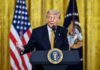
Jerome Powell chaired what may be his last FOMC meeting before his term expires on May 15, 2026. President Donald Trump pressures the Fed for looser policy to fuel growth, nominating Kevin Warsh as successor pending Senate confirmation.
Regional presidents prioritize the Fed’s inflation mandate, aligning with common-sense fiscal discipline amid war-driven oil shocks. Miran, a former Trump adviser, consistently advocates cuts, but facts show five years of above-target inflation demands restraint over political expediency.
Power dynamics shift as regional banks voice stronger opposition to Board-led dovishness. FOMC’s 12 voting members reflect this tension: eight favored the full statement, four broke ranks. Warsh inherits a committee showing “breadth of opinion,” per expert analysis, complicating Trump’s rate-cut expectations.
Geopolitical Oil Shock Fuels Persistent Pressures
Global oil prices topped $100 per barrel due to U.S.-backed war against Iran, exacerbating inflation after five years above targets. Traders now price in zero rate cuts for 2026, bracing for sustained high borrowing costs.
Borrowers face prolonged pain, while energy sectors grapple with volatility. Markets adjust to hawkish resolve, potentially stabilizing prices but risking slowdown in Trump’s growth agenda.
Implications Signal Policy Gridlock Ahead
This 8-4 split echoes the October 6, 1992 precedent, underscoring rare discord. Short-term, it delays cuts and reinforces inflation control, a prudent stance given oil risks. Long-term, leadership transition amplifies uncertainty, testing Fed independence against political influence.
Higher rates erode purchasing power but prevent deeper entrenchment of price spirals. Many favor this discipline: tame inflation first to safeguard real wages and economic stability for working families.
Sources:
Fed holds rates steady amid the most dissents in decades – Axios
Fed holds rates steady, citing elevated inflation – Arizona Daily Star