President Trump vowed an “Economic D-Day” to crush Iran’s finances and warned its backers of “tremendous” costs, signaling a hard new squeeze anchored in sanctions and blockades.
Story Highlights
- Trump is shifting focus to maximum economic pressure on Iran, not new strikes.
- Treasury plans measures “never seen,” aimed at oil, shipping, and finance networks.
- The strategy builds on long-running sanctions tools used since the 1980s.
- Analysts say sanctions hit economies hard but do not always change regimes.
Trump Signals Escalation Through Economic Warfare
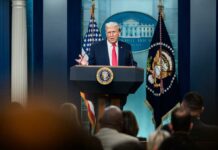
President Trump said the United States is “low-keying it” militarily while letting economic pain mount in Iran, after months of strikes, sanctions, and a blockade. He framed the choice as letting Tehran fail economically or hitting them “really, really hard,” with the White House now leaning into the financial route.
This approach aims to drain regime cash, weaken oil sales, and isolate banks that move money for Iran’s rulers. The goal is pressure without widening the war’s battlefield.
Treasury Secretary Scott Bessent said new actions “never seen” could begin as early as next week, pointing to rapid steps against oil exports, shipping insurers, and financial middlemen.
Reporting added that the plan includes sanctions and a tighter naval blockade to choke export routes that fund Iran’s military machine. Supporters of the shift say economic pressure forces hard tradeoffs in Tehran. It keeps options open while avoiding more U.S. casualties and high-cost deployments.
What The New Measures Target And Why It Matters
Officials can expand sanctions on tankers, ports, insurers, shadow fleets, and front companies that hide oil flows. They can also target money channels, including digital asset exchanges tied to the regime’s networks, to cut workarounds that keep cash moving.
The United States has used many of these tools before and described past campaigns as maximum pressure with full re-imposition of penalties on individuals, firms, ships, and planes linked to Iran’s economy. The current push seeks a tighter net.
NEW: President Trump is turning up the pressure on Iran, announcing what he calls the "MOST CRUSHING ECONOMIC OPERATION EVER TAKEN AGAINST ANY COUNTRY."
"This will be Economic Warfare and Isolation on an unprecedented scale."
"I am also announcing that ANY country that allows… pic.twitter.com/2bt1LIKf5S
— FOX Business (@FoxBusiness) August 20, 2026
For readers who want strong, decisive action without another endless war, this strategy answers a core concern: punish bad actors and protect American troops. It also warns foreign governments and companies that help Iran.
Trump’s message is simple: do business with Tehran and face consequences. That stance puts America, not global bodies, in the lead. It backs energy independence and secure shipping lanes. It also aims to lower long-term energy costs by ending Iran’s ability to roil markets and threaten tankers.
How This Fits Decades Of Pressure And The Known Limits
United States sanctions on Iran date back to the 1980s and grew under many presidents through Treasury’s Iran sanctions program, which enforces multiple legal authorities and United Nations actions when applicable.
In 2018, the government fully re-imposed penalties lifted under the nuclear deal, describing a campaign of maximum financial pressure.
Today’s “Economic D-Day” builds on that record with broader enforcement and more precise moves against shipping and finance networks that keep the regime afloat.
Research shows sanctions reliably raise costs, crush trade, and strain budgets, but they do not always force political change at the top. That mixed record does not weaken this plan’s near-term punch. It sets realistic expectations.
Economic pain can still limit Iran’s reach, starve proxy groups, and slow arms programs. It also signals that Washington will enforce red lines without rushing into a larger war. The White House believes steady pressure can tilt talks on American terms.
What To Watch Next For Real Impact
Markets will watch oil exports out of Iran and tanker movements. A sharp drop in shipments means the net is closing. Insurance cancellations for suspect ships would signal strong allied help. Bank compliance will matter too.
If lenders and brokers step back, Tehran’s access to dollars shrinks. Expect more designations of front firms and ships, including those that swap flags or spoof locations to hide cargo. Treasury’s follow-through will decide how tight the squeeze gets.
Trump announces Economic D-Day against Iran, targeting oil, trade, shipping & financial networks.
Secondary sanctions could raise global pressure.
📊 Potential impact: Oil ↑ | Gold ↑ | USD ↑ | Risk Sentiment ↓ Key risk: supply disruptions or wider escalation.#trump pic.twitter.com/LotAMZAfav
— Carlos And Company (@carlosandcompny) August 20, 2026
This path aims at the source of Iran’s power: money. It uses American leverage, not global committees. It punishes the regime and those who fund it.
It protects U.S. troops while keeping the pressure on. The core test is simple and firm: cut Iran’s cash, shield our economy, and defend our allies. If partners join and enforcement stays tough, Iran’s rulers will feel the crunch where it hurts most.
Sources:
redstate.com, aljazeera.com, reuters.com, cnbc.com, fortune.com, npr.org, finance.yahoo.com, state.gov, bloomberg.com, wsj.com