Elon Musk told a room full of reporters he is not MAGA, just days after spending nearly half a billion dollars to help elect Republicans.
Quick Take
- Musk told the New York Times DealBook Summit on November 18 that he is “not MAGA” and does not practice “blind adherence” to Republican Party policy.
- He said he felt “pretty foolish” after spending heavily on a midterm cycle where Republican candidates underperformed.
- Reports show Musk poured roughly $446 million into the 2026 midterms, mostly backing Republican candidates and groups.
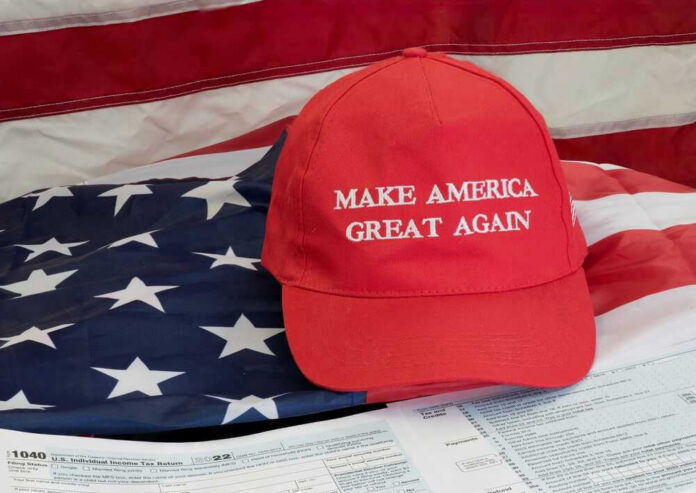
- Critics note Musk once called himself “dark gothic MAGA” and wore MAGA hats at Trump rallies.
What Musk Actually Said On Stage
Speaking with Andrew Ross Sorkin at the DealBook Summit, Musk said plainly, “I’m not MAGA.” He added he wasn’t even sure what the term means anymore. He drew a line between supporting specific candidates and signing onto every Republican Party position without question, calling that kind of loyalty “blind adherence.”
Elon Musk Says He’s ‘Not MAGA,’ Calls Himself ‘Quite Moderate’ pic.twitter.com/Wkdkj2eGNc
— New York Post (@nypost) November 19, 2026
Musk also admitted regret over how much money he put into the midterms. He said he felt “pretty foolish” after watching many of the Republican candidates he backed lose their races. That admission landed in the same breath as his MAGA denial, which is why reporters paired the two quotes together almost instantly.
The Reasoning Behind The Spending
Musk offered a specific explanation for his giving. He said he wanted one branch of government, whether the House, Senate, or presidency, to stay Republican. His goal, he claimed, was avoiding a Democratic supermajority, not proving total loyalty to the GOP platform. That is a narrower claim than blanket political allegiance, and it deserves to be weighed on its own terms.
The dollar figures complicate that explanation. Reporting puts Musk’s 2026 cycle spending near $446 million, almost all of it flowing to Republican-aligned super PACs and candidates. He reportedly gave $158 million to the Senate Leadership Fund alone. Money that concentrated in one party’s infrastructure is a tough sell as purely anti-supermajority insurance.
A History That Critics Won’t Let Go
Opponents aren’t just skeptical of the timing. They point to Musk’s own words from a 2024 Trump rally, where he declared, “As you can see, I am not just MAGA, I’m dark MAGA.” He also appeared publicly in MAGA gear alongside President Trump. That record makes his current denial a harder argument to accept at face value, even if his definition of MAGA has genuinely narrowed since then.
Why This Reads As Reactive To Many Viewers
The sequence matters here. Musk’s denial came right after Republican losses, not before them, which invites the obvious read that this is damage control rather than a long-held belief. Commentators on cable news have already labeled it a rebrand, arguing his break from “MAGA” conveniently follows disappointing returns on his investment, not a prior ideological shift.
Musk’s spending in Texas adds another wrinkle. His America PAC reportedly spent millions backing Ken Paxton’s Senate bid while directing even more money against his Democratic rival. That is not neutral, institution-balancing spending. It is targeted opposition spending aimed at keeping a specific seat red, which cuts against the “just avoiding one-party rule” explanation.
The Bigger Picture On Megadonor Politics
Musk’s situation also fits a larger trend. Campaign finance trackers report dark money spending among top 2026 donors has grown thirteen times over since 2014, now making up nearly a third of giving at that level. Billionaires on both sides are increasingly acting like standing political institutions rather than occasional check-writers, which makes labels like MAGA harder to pin down and easier to dispute.
Conservative voters have every right to ask Musk for clarity rather than a semantic dodge. If his goal truly was divided government, his own spending record should show Democratic or nonpartisan support somewhere in the ledger. Until an independent accounting of that money surfaces, skepticism about the timing of his statement is reasonable, not unfair.
Sources:
foxbusiness.com, edition.cnn.com, gvwire.com, news.meaww.com, thejournal.ie, dorseteye.com, votelog.org, brennancenter.org