Two women vanished on a short walk near home; searchers soon found both dead on the same forest trail.
Story Snapshot
- Investigators say scene evidence suggests an animal was involved in both deaths.
- Search teams found the mother first, then the daughter, in the Snooka West Trail area.
- Officers set traps, posted warnings, and ran night patrols due to a plausible bear threat.
- Bella Coola has seen recent bear-human conflicts, heightening local concern.
What Happened On The Trail
Family members reported the mother and daughter missing after they did not return from an afternoon walk near Bella Coola, British Columbia. The trail sits a short drive from their home. Conservation officers and the Royal Canadian Mounted Police launched searches in the Snooka West Trail area. They found the mother’s remains on Monday. They found the daughter’s remains on Tuesday in the same general area. Investigators said evidence at the scene suggested an animal may have been involved.
The British Columbia Conservation Officer Service began working the site and the surrounding terrain with traps and patrols. Officers warned the public to avoid the area. The Nuxalk Nation recommended a curfew and supported night patrols while the search continued for any bear or bears linked to the incident. Officials have not released a final cause of death. They have not identified a specific bear. They have not stated whether one animal or more than one was involved.
Why Authorities Treated A Bear Threat As Plausible
Conservation officers only roll traps and night patrols when risk looks real, not theoretical. Their decision signaled concern for an active conflict animal in the area. The officers coordinated with police to secure the trail and manage public access. These steps match standard human-wildlife conflict playbooks in British Columbia. Officers often try to collect hair, scat, and other samples for DNA testing. They aim to match any sample to a known bear if one is later captured.
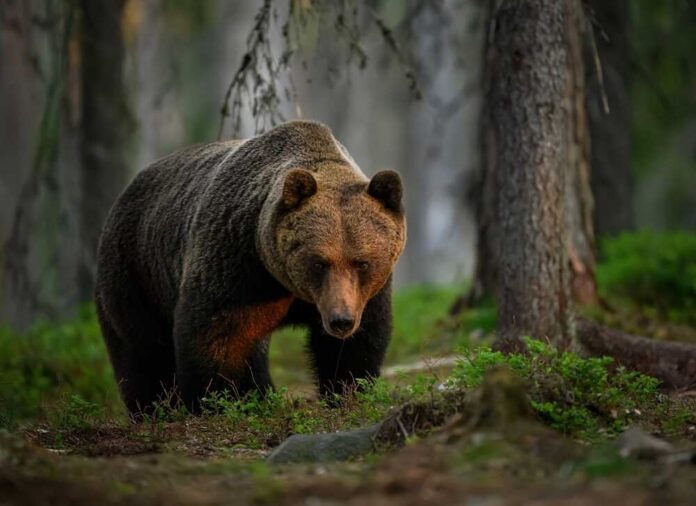
Investigators also weighed local context. The Bella Coola Valley holds many grizzly bears and a record of recent conflicts. Last year, a grizzly injured a group that included children and teachers on a trail near the community. Authorities did not find that bear. Provincial officials stressed that such attacks are very rare, but the back-to-back events created a sharp local risk picture.
What We Know, What We Do Not
Two facts anchor the case. First, searchers found both victims in the same general zone on the Snooka West Trail after a brief local walk turned into a disappearance report. Second, conservation officers reported evidence suggesting an animal was involved, and they treated a bear threat as credible enough to justify traps and night patrols. These are strong, direct indicators. A single caveat remains: officials have not confirmed the species or released autopsy findings.
🔴 Mother, daughter killed in grizzly bear attack in British Columbia
Conservation officers in British Columbia confirmed Tuesday that Jenny Balcarras, an art therapist, and her 20-year-old daughter Selah Reed were killed in a grizzly bear attack near Bella Coola. Both were… pic.twitter.com/7rKSYyKxYx
— NewsTongue (@NewsTongueX) November 5, 2026
Some outlets reported that more than one grizzly may have been involved, based on authorities’ early comments that this was possible. That framing fits the uncertainty of an open wildlife scene, not a conclusion. The prudent path is clear. Let the forensic work speak, then match any DNA or track evidence to a specific animal if captured. That is how you earn the public’s trust while still moving fast to protect people.
How To Think About Risk On The Edge Of The Wild
Grizzly attacks pull attention because they are brutal and rare. Province-wide data show very few fatal grizzly attacks over the past decade, including one in 2017 and one in 2025. Low statewide odds, however, can hide a local spike. The Bella Coola valley has a dense bear presence, seasonal food swings, and people living close to wild corridors. That mix raises contact risk. When conditions stack the deck, small habits matter: travel in groups, carry bear spray, make noise, and avoid dusk travel on brushy trails.
Policy should track that commonsense line. Keep wild areas open, but post clear trail risk signs when conflict patterns rise. Back warnings with patrols, not platitudes. Fund quick-turn DNA testing for wildlife incidents so officers can confirm the right animal before a difficult decision to capture or dispatch. Teach local bear-safe routines in schools and on job sites. That blend respects people, wildlife, and the working reality of rural life.
The Road Ahead For Bella Coola
Investigators will map the scene, run lab tests, and review search logs and any camera data. If officers capture a suspect bear, they can swab for DNA and compare results to any samples from the site. If they do not, they will close the case on the best available evidence and patterns. The community will keep hiking and working the land. The duty now is simple and serious: give people straight facts fast and back them with visible action on the ground.
Sources:
thecanadianpressnews.ca, 13newsnow.com, bbc.com, backpacker.com, dailyhive.com, cbc.ca