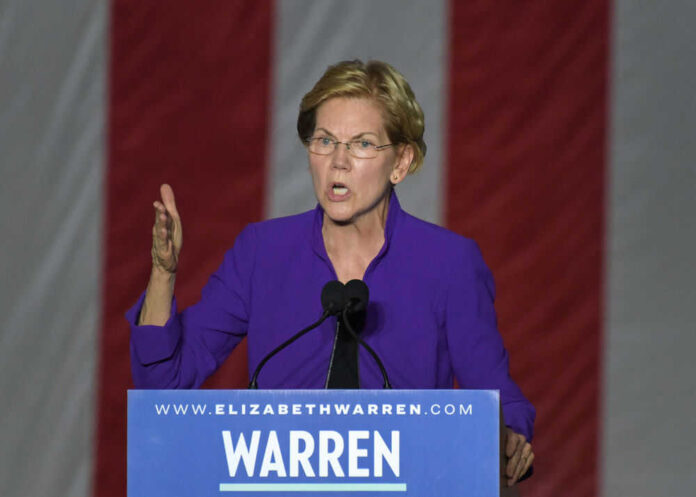
President Trump proposes capping credit card interest rates at 10%, prompting progressive Sen. Elizabeth Warren to offer bipartisan collaboration—could this populist win deliver real relief for struggling American families?
Story Snapshot
- Trump floated a one-year 10% cap on credit card rates late Friday, echoing consumer demands amid 20%+ average rates.
- Warren spoke directly with Trump Monday, urging Congress to pass legislation if he commits to fighting for it.
- Sen. Bernie Sanders’ S.381 bill proposes a similar cap until 2031, now stalled in GOP-led Senate Banking Committee.
- Bank stocks dipped on the news, signaling Wall Street opposition to profit-squeezing reforms.
- Potential billions in savings for 170 million cardholders, but risks tighter credit access.
Trump’s Bold Proposal Emerges
President Donald Trump proposed late Friday that banks cap credit card interest rates at 10% for one year. This move targets families battered by rates exceeding 20%, a legacy of post-pandemic debt surges and fiscal mismanagement from prior administrations. Average household credit card balances hover near $6,000, squeezing middle-class budgets amid lingering inflation.
Trump’s pitch aligns with his America First agenda, prioritizing working Americans over globalist financial elites. Bank stocks immediately dipped, reflecting market fears of reduced profits. Consumers stand to save billions if enacted, easing everyday financial pressures that conservative families know all too well.
Sen. Elizabeth Warren says Trump called her(!) after her speech at @PressClubDC and they talked about capping credit card interest rates and her housing bill. pic.twitter.com/L9LPMzOPCH
— bryan metzger (@metzgov) January 12, 2026
Warren Reaches Out Despite Past Clashes
Sen. Elizabeth Warren delivered a Monday speech criticizing Trump’s affordability record before he called her directly. She reiterated calls for rate caps and housing legislation like the ROAD to Housing Act. Warren stated Congress could pass a cap if Trump fights for it, signaling rare pragmatism across ideological lines.
Their phone conversation marks direct engagement despite Trump’s past “Pocahontas” remarks and Warren’s progressive history. This stems from her long advocacy for consumer protections, including creating the CFPB under Dodd-Frank.
For Trump supporters, it underscores his deal-making strength, potentially turning a progressive idea into tangible relief without ceding ground to big government overreach.
Sanders’ Bill Sets Legislative Path
Sen. Bernie Sanders introduced S.381, the 10 Percent Credit Card Interest Rate Cap Act, on February 4, 2025. The bill proposes a temporary cap until January 1, 2031, with CFPB and FTC enforcement and penalties for violations. Referred to the Senate Banking Committee in a Republican-controlled Congress, it has seen no further action.
This mirrors failed prior efforts by Warren and Sanders for 15-36% caps, after 1980s usury law repeals left no federal limits. Trump’s informal proposal revives the issue, testing GOP resolve on populist reforms versus bank lobbying. Conservatives wary of government intervention see value if it empowers families without endless entitlements.
Key stakeholders include Warren as advocate, Trump as agenda-setter, Sanders as bill sponsor, banks as opponents guarding profits, and GOP Congress as gatekeepers. Banks prioritize revenues, while rate caps could save billions for low- and middle-income debtors facing inflation’s bite.
Tightened credit remains a risk, but short-term relief aligns with reining in financial excesses that hurt everyday Americans.
Potential Wins and Challenges Ahead
Enactment could slash costs for 170 million cardholders, reducing household debt burdens and boosting spending power in a Trump economy focused on growth. Long-term, S.381 sunsets in 2031, avoiding permanent overreach. Banks face revenue hits, prompting opposition in a GOP-led Congress skeptical of caps.
Axios notes Trump picking up the progressive mantle, yet his pro-consumer framing resonates with voters tired of elite bailouts. Political tests loom for Republican unity, but bipartisan potential offers a victory against the high-rate stranglehold from years of loose policy. Limited updates show no Trump response yet, leaving progress uncertain.
Uncertainties persist on Trump’s follow-through and bill advancement, with bank lobbying a hurdle. This development highlights opportunities for conservative priorities: protecting family finances from predatory lending without expanding bureaucracy.
Sources:
Sen. Elizabeth Warren says Congress could work with Trump to cap credit card rates
Trump proposes 10% cap on credit card interest rates
S.381 – 10 Percent Credit Card Interest Rate Cap Act