More than 40 shattered energy sites and a choked Strait of Hormuz are turning a foreign war into a direct pocketbook crisis for American families—exactly the kind of “endless conflict” many Trump voters thought was over.
Quick Take
- The IEA says at least 40 energy assets across nine Middle East countries have been “severely or very severely” damaged since the Iran war began.
- The Strait of Hormuz has been effectively disrupted since early March, halting the shipment of roughly 20 million barrels of oil per day.
- Global LNG supply is down about 20%, with ripple effects reaching petrochemicals, fertilizer inputs, and other industrial materials.
- The IEA coordinated a 400-million-barrel strategic reserve release, but its chief warns that reserves cannot substitute for reopening Hormuz.
- As the conflict drags on, MAGA voters are increasingly split over deeper U.S. involvement and the costs tied to energy inflation.
IEA warning: war damage is broad, multi-country, and not quickly repaired
International Energy Agency Executive Director Fatih Birol said at least 40 energy assets across nine Middle East countries have been severely damaged in the weeks since fighting began. Reports describe hits spanning oil fields, refineries, and pipelines—exactly the infrastructure that keeps fuel and industrial feedstocks moving.
Birol’s central point was practical, not rhetorical: heavily damaged facilities take time to restart, and repairs can be delayed by continued strikes and supply-chain bottlenecks.
More than 40 Middle East energy assets ‘severely damaged,’ IEA chief says https://t.co/s1wFWM4C1u
— CNBC (@CNBC) March 23, 2026
Birol also warned that the damage is not confined to one country, which makes rerouting and replacement harder. When multiple producers and transit states suffer disruptions at once, markets lose redundancy.
The IEA’s public briefings emphasize that the world is facing an energy shock that blends oil, gas, and downstream products, creating a wider squeeze than a simple crude shortage. Precise lists of the damaged assets and the nine affected countries have not been fully detailed in the available reporting.
Hormuz disruption: the chokepoint that turns conflict into inflation
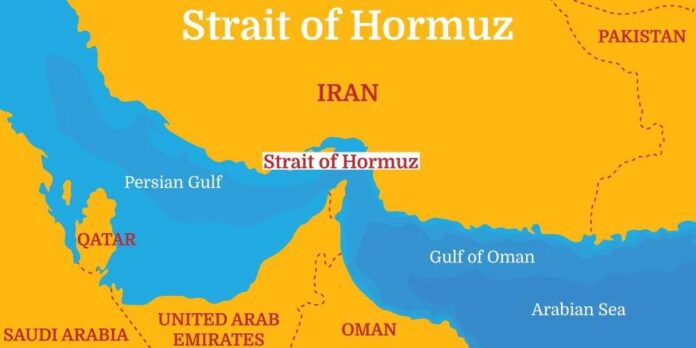
The Strait of Hormuz has been effectively disrupted since early March, with reporting describing a near-halt in shipping flows of around 20 million barrels of oil per day. That single point matters because it is not just another route; it is a bottleneck for the Gulf’s exports to the world.
When that corridor closes, costs jump fast—insurance premiums, freight rates, and replacement sourcing all climb at once, and consumers feel it through gasoline and home energy bills.
Birol’s historical comparison underscored the scale of risk: he likened the current disruption to the 1970s oil crises and the 2022 gas crisis combined. For Americans already angry about years of inflation and “temporary” price hikes that never seemed to reverse, the political problem is obvious.
Even voters who support a hard line against Iran are asking why the outcome looks like the familiar pattern—rising energy costs at home, unclear off-ramps abroad, and Washington insisting the public should accept it.
LNG down 20%: the hidden hit to electricity and industry
Alongside crude oil, the IEA said global LNG supply has fallen by about 20% since the conflict expanded. That matters because natural gas is not only a heating fuel; it is also a backbone input for electricity generation and heavy industry.
When LNG availability drops, countries bid against each other for cargoes, pushing prices higher across regions. The IEA warned that disruptions may extend beyond fuels into petrochemicals and fertilizer-related inputs, amplifying costs across supply chains.
Strategic reserves can buy time, not reopen sea lanes
The IEA coordinated a 400 million-barrel release from strategic reserves, with reporting noting significant contributions by member states, including the United States and Japan. Birol has described the reserve move as a stabilizer meant to keep markets supplied while governments push for de-escalation and the reopening of key routes.
He has also criticized export curbs by some countries that prioritize domestic stockpiles during global emergencies, arguing that hoarding can worsen volatility and deepen shortages elsewhere.
For conservative readers, the takeaway is less about bureaucratic management and more about limits: a reserve release is a temporary bridge, not a replacement for free navigation through Hormuz or for intact regional infrastructure.
In other words, Washington can soften the shock, but it cannot “stimulus” its way out of a physical disruption. As the war stretches past three weeks and damage accumulates, the political pressure inside the Trump coalition grows—because energy inflation hits household budgets immediately, and war aims become harder to explain.
Birol’s remarks land in a uniquely tense political moment: many MAGA voters backed Trump expecting border enforcement, reduced global entanglements, and lower energy prices, not a fresh Middle East war and a new inflation pulse.
The available reporting does not settle debates about strategy or end goals, but it does clarify the core economic mechanism: damaged assets plus a disrupted chokepoint equals prolonged supply stress. Until Hormuz shipping normalizes and repairs begin at scale, voters should expect energy volatility to remain a central battlefield at home.
Sources:
Middle East energy assets severely damaged, IEA chief warns of prolonged supply disruptions.
Global energy watchdog says over 40 Mideast energy sites heavily damaged by conflict
Over 40 Middle East energy assets severely damaged, IEA says
Crisis worse than two 1970s oil shocks put together: IEA chief’s big warning on Strait of Hormuz
Global economy faces major threat amid worsening energy crisis: IEA chief
Global energy watchdog says over 40 Mideast energy sites heavily damaged by conflict