Iran’s drones just proved they can hit the world’s energy lifeline—and American families could feel it next at the pump.
Quick Take
- QatarEnergy halted LNG production after Iranian drones struck key facilities at Ras Laffan and Mesaieed.
- Qatar’s air force shot down two Iranian SU-24 warplanes, signaling a shift from interception to direct retaliation.
- Iran’s actions and the reported blockage of the Strait of Hormuz jolted markets, sending European gas prices sharply higher and oil up.
- Europe’s dependence on Qatari LNG and low storage levels amplify the risk of prolonged price spikes if exports stay disrupted.
Iranian strikes force Qatar to halt LNG output
QatarEnergy suspended liquefied natural gas production after Iranian drones hit major facilities in Ras Laffan Industrial City and Mesaieed Industrial City. The company described the shutdown as a response to “military attacks,” and the pause covers LNG and associated products.
Qatar is the world’s third-largest natural gas exporter, so any extended disruption immediately matters beyond the Gulf, especially for buyers relying on steady cargo schedules and predictable shipping lanes.
France 24 reported that Qatar’s response went beyond defensive intercepts: the Qatar Emiri Air Force downed two Iranian Sukhoi SU-24 bombers. The same reporting described three days of Iranian bombardment across the Gulf, with sites including airports, hotels, and military locations, alongside explosions reported in several regional capitals.
Those details point to a widening conflict footprint where energy infrastructure is no longer treated as off-limits, raising the economic stakes for allies and consumers.
Qatar halts output of LNG, associated products
Aramco's Ras Tanura refinery hit by drone, source says
Major Israeli gas fields, including Leviathan, offline
Most output in Iraqi Kurdistan shut down
Energy scarcity imminent.
Source: Reuters. pic.twitter.com/vYo2A0V9Bg
— T.I.I 🇳🇬 (@Iorhenti) March 2, 2026
The Strait of Hormuz becomes the pressure point again
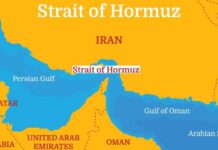
Euronews highlighted that tanker traffic through the Strait of Hormuz has been halted amid heightened risk, with the chokepoint’s importance hard to overstate: about 20% of global oil and 38% of seaborne crude typically move through it.
Market anxiety is being driven as much by shipping and insurance concerns as by physical damage. Even temporary disruptions can ripple quickly because supply chains, scheduling, and cargo availability are tightly timed in global energy trade.
That chokepoint risk collides with Europe’s exposure to LNG disruptions. Euronews reported Qatar supplies roughly 12% to 14% of Europe’s LNG, a role that grew after the Russia-Ukraine war forced European capitals to find alternatives.
Compounding the vulnerability, Europe entered this shock with storage below 30%, and some major countries around 20% to 21%. With less buffer in reserve, any sustained interruption can translate into higher spot prices and sharper competition with Asian buyers.
Energy markets react fast: gas jumps, oil climbs
Price moves arrived immediately. France 24 and Euronews both reported sharp spikes, with European gas prices rising roughly 45% to 50% and benchmark oil up around 9% as traders priced in supply uncertainty.
Euronews cited the Dutch TTF benchmark near €46/MWh during the surge. While the exact length of Qatar’s LNG halt remained unclear, markets typically price risk based on worst-case scenarios when reliable timelines and shipping certainty disappear.
What’s confirmed, what’s unclear, and what to watch
Across reporting, core facts align: facility strikes occurred, QatarEnergy halted production, and Qatar shot down Iranian aircraft. Uncertainties remain, including how much LNG capacity is offline and for how long, plus the durability of shipping disruptions tied to safety and insurance coverage.
Analysts quoted by Euronews stressed that the Strait of Hormuz has not historically been fully closed, yet present conditions can still stop traffic if captains and insurers deem the risk unacceptable.
Iran strikes halt Qatar LNG output, shaking global energy marketshttps://t.co/imkAU3Hbh7
— Gpup (@bodie57) March 2, 2026
For American readers, the immediate takeaway is not a partisan talking point but a practical one: energy shocks overseas can translate into higher costs at home through global pricing and market psychology.
The episode also underscores why stable deterrence, secure sea lanes, and hard-nosed realism matter more than wishful diplomacy when hostile regimes can target infrastructure. The next critical signals will be when Qatar restores production and whether tanker movement normalizes through Hormuz.
Sources:
Qatar suspends natural gas production after Iranian attacks
Qatar downs Iran warplanes, halts LNG production as Gulf crisis deepens
European gas prices jump by as much as 45% as Qatar stops LNG production