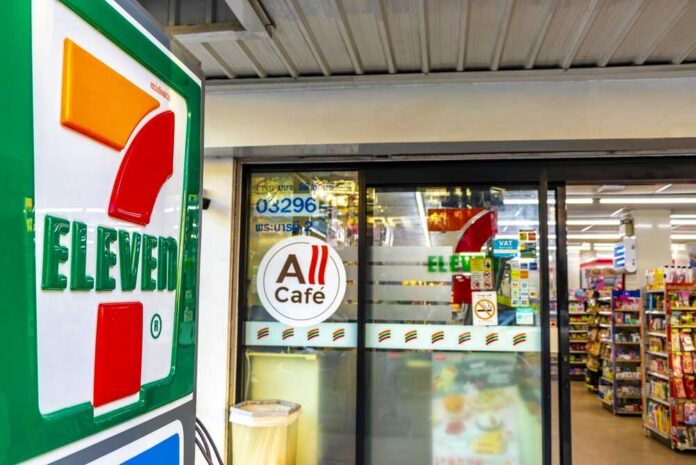
America’s most iconic convenience store chain is about to shrink by nearly 650 locations, marking the fifth straight year of retreat from a model that once seemed invincible.
Story Snapshot
- 7-Eleven will close 645 stores across North America during fiscal year 2026, the highest annual closure count in recent history
- The closures will offset just 205 new store openings, shrinking the chain’s footprint to approximately 12,272 locations from over 13,000
- Seven & i Holdings frames the move as portfolio optimization ahead of a 2027 IPO, targeting underperforming sites while pivoting to food-focused formats
- The chain shuttered 444 stores in 2024 and over 600 combined in 2024-2025, reflecting persistent customer traffic declines and inflation pressures
- Some locations will convert to fuel-only wholesale sites rather than closing entirely, though these won’t count in the official store tally
From Late-Night Lifeline to Strategic Retreat
Seven & i Holdings announced the planned closures in its April 9, 2025 fiscal year 2025 briefing, a document that laid bare the ongoing struggles of what was once the undisputed king of convenience retail.
Founded in 1927 as a Texas ice dock, 7-Eleven pioneered the convenience store concept and grew to operate over 86,000 locations worldwide across 19 countries.
Yet its North American operations, spanning the United States, Mexico, and Canada, now face a reckoning born of changing consumer habits and economic headwinds that refuse to ease.
The company’s language around the closures reveals a careful balancing act. Seven & i describes the move as ongoing portfolio optimization, not a panic move.
The parent company is preparing for a 2027 initial public offering, which demands a leaner, more profitable operation. Underperforming stores drain resources that could flow to locations primed for the chain’s evolving identity.
The closures target sites where foot traffic has withered and profitability remains elusive, freeing capital to remodel surviving stores into food-forward destinations with expanded kitchens and seating areas.
The Convenience Sector’s Uncomfortable Evolution
This is not simply belt-tightening during a rough patch. The closures represent the fifth consecutive year of net store reductions in North America, a trend that began well before the current wave.
The chain closed 444 stores in 2024 alone, representing roughly 3 percent of its North American base. Annual openings have ranged from 122 to 315 new stores in recent years, consistently outpaced by shutdowns. The result is a steady contraction that challenges the very definition of what 7-Eleven seeks to be.
7-ELEVEN CLOSING STORES | The shift reflects a broader trend in the convenience store industry.https://t.co/XvELdksBh2
— WPEC CBS12 News (@CBS12) April 15, 2026
Analysts point to a fundamental shift in the convenience store business model. Blake Doersch of eMarketer describes the transformation bluntly: this is not expansion but evolution from traditional convenience to a hybrid melding restaurant, food service, and grocery elements. Customers no longer pop in solely for cigarettes, lottery tickets, and motor oil.
They want fresh food, quality coffee, and prepared meals that compete with fast-casual chains. 7-Eleven’s pivot reflects that reality, but the transition comes with painful costs for communities losing access to familiar locations.
Communities and Workers Bear the Immediate Cost
The company has not released specifics on which stores face the axe, leaving workers and neighborhoods in limbo. Job losses remain unquantified in public filings, though hundreds of closures inevitably mean hundreds of displaced employees.
For rural and underserved urban areas, a shuttered 7-Eleven can mean the loss of the only nearby source for basic groceries, late-night necessities, or quick fuel stops.
The broader retail landscape offers little comfort. More than 2,000 U.S. stores and restaurants are expected to close in 2026, with chains from Papa John’s to regional grocers announcing retrenchment.
Inflation continues to squeeze consumer spending power, and foot traffic trends that weakened during the pandemic have not fully recovered.
7-Eleven’s situation mirrors sector-wide challenges: adapt or fade. The chain’s global footprint, with tens of thousands of locations abroad, cushions the pain in North America to some degree, but the symbolism of retreat in its second-largest market stings.
Popular convenience store chain to close hundreds of stores https://t.co/UOCSukPkEm
— FOX Business (@FoxBusiness) April 15, 2026
What remains to be seen is whether the smaller, upgraded network can reverse traffic declines and justify the upheaval. Seven & i’s strategy bets that fewer, better stores will outperform a sprawling network of aging locations.
If the food-focused model attracts customers willing to linger and spend more per visit, the closures will appear as calculated pruning.
If customer habits continue drifting toward online delivery and discount grocers, the retreat may mark the beginning of a longer, harder decline.
Sources:
Fox Business – Popular convenience store to close hundreds of stores
Parade – Iconic convenience store chain to shut down 600 locations in 2026
The Street – 7-Eleven closing 645 stores in 2026
Delish – 7-Eleven store closures
The Independent – 7-Eleven closing stores strategy shift locations