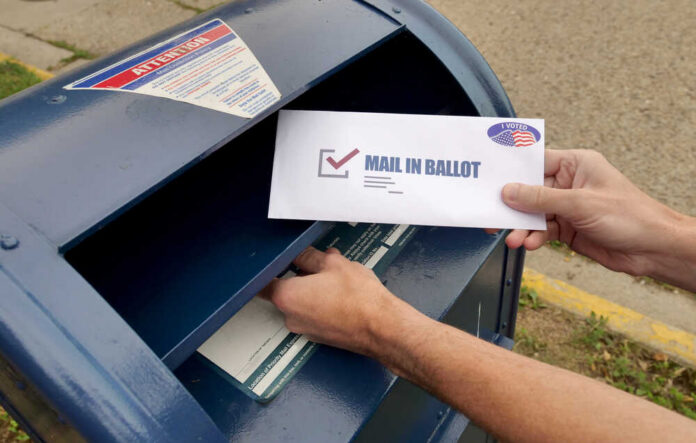
The Supreme Court shut the door on new federal mail-ballot limits for this year’s midterms, keeping election rules steady while voting is already underway.
At a Glance
- The Supreme Court rejected new federal mail-ballot restrictions for the 2026 midterms.
- States can keep counting and mailing ballots under existing rules and timelines.
- The justices acted while lower-court fights over the policy continued.
- The order preserved the status quo and did not settle the policy’s ultimate legality.
What The Court Did And Why It Matters Now
The Supreme Court issued an order that blocked the administration’s push to tighten mail voting before the midterms, after weeks of rapid-fire litigation.
The ruling means states may keep handling ballots the way they have in recent cycles, including counting ballots that arrive after Election Day if state law allows it. Election officials had already sent ballots, so the decision avoided a late change that could confuse voters and strain local offices.
The order came on the emergency docket, where the Court often weighs timing and disruption. News accounts describe the justices as preserving the current system for 2026 rather than blessing or striking down the policy for good.
That approach fits a familiar pattern near elections. Courts often avoid sudden rule changes that could upend how ballots move, get delivered, and get counted once voting has started.
How We Got Here: A Compressed Legal Timeline
The dispute began after a White House executive order directed changes to how the Postal Service handles mail ballots, including who receives them and how delivery lines up with eligibility lists, according to multiple reports.
States and advocates sued, and a federal judge in Massachusetts, Indira Talwani, issued an injunction that covered many states. The administration sought help from the Supreme Court, which briefly lifted that injunction in late August, allowing preparatory steps.
An appeals court soon refused to greenlight the tighter Postal Service rule while the Supreme Court weighed related issues, signaling concern about immediate implementation before November.
The justices then issued the latest order that rejected the policy for this cycle. Reports also note a separate decision that allowed states to count timely-cast ballots that arrive after Election Day, which cuts against efforts to narrow those counts before the midterms.
What The Policy Sought And Who Pushed Back
Coverage describes the policy as an executive-order-driven plan to limit who could receive mail ballots and to align Postal Service delivery with a new federal list of eligible voters.
Several states challenged those steps, arguing the changes would override state systems and risk discarding lawful votes when ballots are already in the mail stream.
The Supreme Court’s latest action leaves state procedures in place for 2026. That avoids any new federal filter on delivery or counting this year.
From a rule-of-law view, the Court’s restraint tracks common sense. Election administration runs on calendars, not hot takes. Changing the rules after ballots are printed invites error and suspicion.
By holding off, the justices lowered the chance of last-minute chaos while leaving deeper legal questions for full briefing and argument after the election.
Supreme Court rejects Trump mail ballot restrictions for now ahead of midterms https://t.co/XotuBWr4Jv
— New York Daily News (@NYDailyNews) September 15, 2026
What This Means For Voters, States, And The Next Fight
Voters should follow their state’s instructions exactly. Mail ballots must be requested, completed, and returned per state deadlines. Some states count ballots that arrive after Election Day if they were mailed on time; others do not.
The Supreme Court’s order keeps those state choices in place for now. States can keep using their existing mail processes, and local officials can focus on basics: clear guidance, chain of custody, and timely counts, without adjusting midstream to new federal limits.
After the midterms, the legal battle will likely return to normal briefing and argument. The Court did not decide whether the executive order or any Postal Service rule is lawful in the long run. Any future case will turn on constitutional structure and statutory text.
The Constitution gives states primary power to run elections, with Congress able to set national rules. Executive branch efforts must fit inside those guardrails. That debate will continue, but not while ballots for this election are in flight.
Sources:
pbs.org, cnbc.com, apnews.com, nbcnews.com, reuters.com, cnn.com