New York just became the first state since 2025 to declare a disaster emergency over measles, a move that hands nurses, pharmacists and paramedics new power to test and vaccinate on the spot.
Story Snapshot
- Governor Kathy Hochul signed Executive Order No. 65 on October 5, declaring a statewide measles disaster emergency through November 4.
- New York has logged 108 measles cases this year, with 92 of them since July 15 across 18 rural, under-vaccinated counties.
- The order lets pharmacists vaccinate kids as young as 2 and lets nurses order tests for suspected measles without waiting on a doctor.
- Local health departments had already given over 1,000 MMR doses in affected areas before the statewide order.
What The Executive Order Actually Does
Executive Order No. 65 is dated October 5, 2026, and runs statewide until November 4. It responds to what the governor’s office calls a growing number of measles cases hitting rural New York and spreading from neighboring states. The order is short and specific. It is not an open-ended power grab. It expires in a month unless renewed, and its stated purpose is narrow: stop measles from spreading further.
The core numbers driving the decision are stark. State officials point to 108 confirmed measles cases so far this year, with 92 of those showing up since mid-July alone. Those 92 cases are concentrated in 18 rural communities where vaccination rates lag behind the rest of the state. That clustering matters. Measles spreads fast in pockets where immunity gaps exist, and public health officials have long treated low vaccination coverage as the single biggest predictor of outbreak size.
Who Gets New Power To Fight The Outbreak
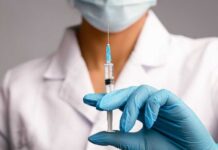
The order widens who can act against measles without waiting on a traditional doctor’s office visit. Registered nurses can now order diagnostic tests for suspected cases, cutting out a step that normally slows things down. Pharmacists can give the MMR vaccine to children as young as 2, and the list of eligible vaccinators grows to include paramedics, advanced emergency workers and midwives. That’s a meaningful expansion of frontline capacity in areas that may not have enough doctors nearby.
Speed matters as much as access. Every MMR vaccination given under the order must get reported to state or New York City immunization registries within 72 hours. That tight reporting window lets health officials track vaccine uptake almost in real time, rather than waiting weeks for paperwork to catch up. Local health departments were not standing still before the order either. Hochul’s office says those departments had already delivered more than 1,000 MMR doses in the affected rural areas since mid-July.
Why New York Looked To Its Own History
New York has faced this kind of fight before. Back in 2019, measles tore through parts of Brooklyn and Rockland County, and local health officials responded with emergency orders and mandatory vaccination rules for people living or working in specific zip codes. Courts largely upheld those measures as reasonable, even while some residents challenged how long they lasted and who had authority to impose them. The current statewide order echoes that same legal playbook on a bigger scale.
This is not a localized blip, either. Nationally, measles cases hit their highest point since 1992 last year, with more than 1,500 confirmed cases spread across 42 states. South Carolina saw its largest outbreak in decades over the past winter. Against that backdrop, New York’s move looks less like an isolated overreaction and more like a state trying to get ahead of a problem that has already overwhelmed health systems elsewhere. Vaccination gaps tied to misinformation and hesitancy keep feeding this cycle, and no amount of emergency paperwork fixes that root cause on its own.
What Happens Next For Rural Families
Parents in the 18 affected counties will notice the most immediate change at the pharmacy counter, where their kids can now get vaccinated without a separate doctor’s appointment. That convenience could meaningfully boost uptake in communities where clinic access has always been thin. The real test comes over the next month: does case growth slow, and does the expanded vaccinator pool actually translate into more shots in arms where they’re needed most.
Measles, Hochul Declares Statewide Emergency in New York
As of October 3, New York has recorded 108 confirmed cases in 2026: seven in New York City and 101 in the rest of the state. Of those, 92 have been reported since July 15 alone, mainly in rural communities with low…
— Martha–😷🇺🇦 (@mryoung151) October 6, 2026
Hochul’s order expires November 4, which means New York will soon have to show results or extend emergency powers again. Either outcome tells a story about whether expanding who can vaccinate and test actually moves the needle against a disease the country eliminated a generation ago. For now, the order gives rural New York more tools and less red tape, and that alone marks a significant shift in how states are choosing to fight this resurgence.
Sources:
nypost.com, governor.ny.gov, cnn.com, usatoday.com, english.news.cn, news.bloomberglaw.com, longisland.com, nycourts.gov, academic.oup.com, cambridge.org