Three U.S. Secret Service communications officials were put on leave while the agency probes potential misconduct, and that single sentence carries national-security weight.
Story Snapshot
- The Secret Service confirmed three non-law-enforcement employees are on leave pending an internal probe.
- The Office of Professional Responsibility is handling the investigation, as standard process.
- All three worked in the communications office; one report names the communications chief.
- Administrative leave is a temporary status during investigations across federal agencies.
Secret Service Confirms Leave And Internal Review
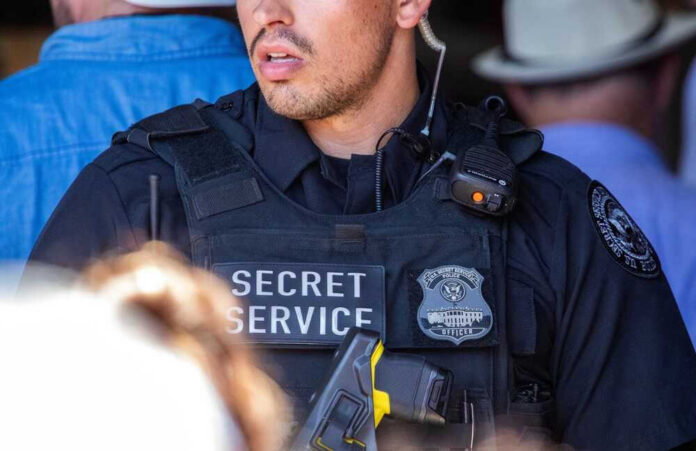
The United States Secret Service said three non-law-enforcement employees are on administrative leave during a potential misconduct investigation.
The agency cited its Office of Professional Responsibility as the lead for the review and said it would not comment further during the process.
Several outlets reported the same core facts, including the number of employees, their non-law-enforcement status, and the probe’s pending status. One outlet reported the officials worked in the communications office.
3 Secret Service officials under internal investigation for potential misconduct https://t.co/fATIS6AWdD #usa #feedly
— News Max (@NewsMax360) August 26, 2026
Reports linked the personnel to the communications team and said one is the communications chief, Anthony Guglielmi. The agency itself did not list names in its public statement. The Secret Service used standard language that signals an open case, not a final finding.
That approach matches federal practice, where internal-affairs units take the first steps, gather facts, and then issue findings or propose discipline if warranted. A single sentence can move staff off duty fast when the mission is protection.
Why Administrative Leave Happens First
Administrative leave is not a verdict. It is a short-term status that lets managers separate an employee from duty during a review without cutting pay.
The Office of Personnel Management describes it as an excused absence created by law and regulation, with special categories for investigative use.
Agencies often pair leave with access controls to protect systems and evidence. That keeps operations safe while investigators work the case. Process comes first so facts come clean.
The Secret Service has used this template before when allegations arise. During the 2012 Cartagena misconduct probe, leaders pulled staff off duty, ordered them home, and sent them to the Office of Professional Responsibility for interviews.
The agency also collected equipment and suspended clearances while the facts were sorted out. Congress later examined that episode for lessons. The pattern is clear: secure the perimeter, lock down facts, then decide discipline after the record is built.
Communications Office Stakes
A communications office sits near sensitive information even if it does not make arrests. It handles statements, schedules, and messages that can touch security. That proximity raises stakes when questions arise. Pulling staff pending review protects operations and preserves trust.
Recent reporting shows that the agency has also moved quickly on other internal matters. In July, a Secret Service agent on Vice President J.D. Vance’s detail was placed on leave amid an internal review tied to press leaks.
That separate case underscored how sensitive details about travel and protection are. The same logic applies here: when in doubt, isolate risk, secure systems, and let investigators work the file. Speed now prevents larger damage later.
What The Process Likely Looks Like Next
The Office of Professional Responsibility typically interviews witnesses, secures devices, and reviews logs. Managers decide if access should be cut while that happens.
The rules for federal leave now define clear tracks for investigative needs and time limits, which aim to curb open-ended benching and push cases to closure.
That framework matters in a high-tempo agency. Leaders need fast answers and clean records. The country needs uninterrupted protection for President Trump and other protectees.
Three U.S. Secret Service employees, including Chief of Communications Anthony Guglielmi, were placed on administrative leave today pending an internal investigation into potential misconduct.
A CNN report indicated that all three individuals serve in non-law enforcement… pic.twitter.com/EnNg6XCtnX
— The Bruiser (@DrHoosierHermit) August 26, 2026
The Secret Service says the probe is active, so public details will be thin until findings are posted. That is normal for personnel and security matters. The meaningful test comes later: did the agency document facts, make a measured call, and explain what changed to prevent repeats?
That is how trust is earned. Until then, the headline stands on solid ground: three communications officials are off duty while the integrity team does its job.
Sources:
cbsnews.com, keyt.com, townhall.com, secretservice.gov, govinfo.gov