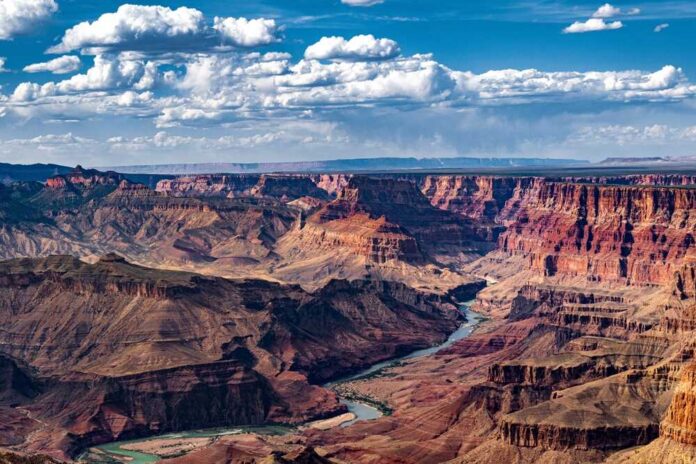
Water roared down Bright Angel Canyon without warning, turning a famous trail into a deadly chute and leaving families desperate for names that still are not checked off the list.
Story Snapshot
- Flash flood struck Bright Angel Canyon and Phantom Ranch on August 29 around 2:30 p.m.
- About 15 people may be missing or unaccounted for; one death confirmed by park officials.
- At least 62 people were evacuated; key trails, bridges, and Phantom Ranch remain closed.
- More storms are possible as crews search by air and ground and ask the public for tips.
What Hit The Canyon And When
The National Park Service reported a significant flash flood in Bright Angel Canyon and the Phantom Ranch area on August 29 at about 2:30 p.m.
The surge followed heavy rain over a steep, fire-scarred basin that drains fast, which can turn a calm creek into a wall of water within minutes.
The park’s alert warned of closures from Phantom Ranch to the entire North Kaibab Trail. The first hours focused on moving people to high ground and clearing landing zones for helicopters.
Officials confirmed one person died and said about 15 people may be unaccounted for as search teams pushed through debris. Park crews and partners flew repeated helicopter passes over the North Kaibab corridor and scanned side canyons where cut banks and boulder piles can hide a person or campsite.
Early counts often change as logs, manifests, and witness calls are matched. That process had already narrowed from “more than 20” to “about 15.”
Who Was Rescued And What Is Closed Now
Grand Canyon National Park reported at least 62 people evacuated from Phantom Ranch and the lower North Kaibab corridor by the morning of August 30. Aircrews lifted hikers from the inner canyon to safer rims as ground teams cleared damaged footbridges and checked camp areas.
The park closed Phantom Ranch, Bright Angel Campground, the full North Kaibab Trail, and both the Black and Silver Bridges, and it paused river traffic through the inner gorge until further notice. The closures support search work and protect the public from unstable banks.
Reporters and park posts showed why closures matter after a flood like this: ladders twist, cables snap, and steps that look stable can give way. The inner canyon’s narrow slots funnel water and debris with force. Even a short storm upstream can push a surge downstream hours later.
For visitors planning trips, the park’s key messages page lists live closures and will post when teams reopen sections in phases. Check again the day you hike; things can change fast in the desert.
How Searchers Work The Missing List
Rangers build a working roster from campground bookings, backcountry permits, trail registers, and tip-line calls. That list gets refined as evacuees check in, friends call, and teams reach cut-off areas.
Search leaders ask anyone who was in Bright Angel Canyon or Phantom Ranch during the storm to contact the park and share names, times, and last known spots. That simple call can free up a helicopter hour for a true unknown. It is common in remote events for the “missing” count to drop as data aligns.
Grand Canyon flash floods leave 1 dead, around 15 missing, park officials say https://t.co/Vgp23FnbOr
— Tracy Solomon (@stakresnt) August 31, 2026
The National Weather Service kept a Flash Flood Warning active for the Bright Angel Creek basin after the first surge, citing risk below the Dragon Bravo fire scar. That means more debris, sudden spikes in water level, and poor footing for crews and hikers.
Search leaders weigh all of that when they choose flight windows and assign ground teams. Patience here is not red tape; it is risk control so rescuers do not become patients. Park officials will push hard when the weather opens a safe door.
What This Means For Travelers And For Policy
Visitors should expect days, not hours, before primary inner-canyon routes reopen. Respect closures, skip river access until cleared, and watch for falling rock as slopes dry.
For policymakers, the episode underscores three practical needs that align with common sense. First, keep investing in radios and repeaters that work in deep canyons so teams can coordinate under storm cells.
Second, add plain-language flood signage at upstream junctions, not just near camp. Third, expand post-fire mapping since burned basins spike flood risk long after flames are out. Those steps save lives without bloating bureaucracy.
What Comes Next
Search and rescue will continue by air and foot as weather allows. Damage crews will assess bridges and trail corridors before any staged reopening. The “about 15” figure will likely tighten as evacuees and families connect with rangers.
If you were in Bright Angel Canyon on August 29, or you have direct contact with someone who was, call the park’s tip line and provide names, times, and locations. That call helps close loops faster and lets crews focus where help is most needed.
Sources:
youtube.com, kutv.com, nps.gov, foxnews.com, apnews.com, forecast.weather.gov, azcentral.com