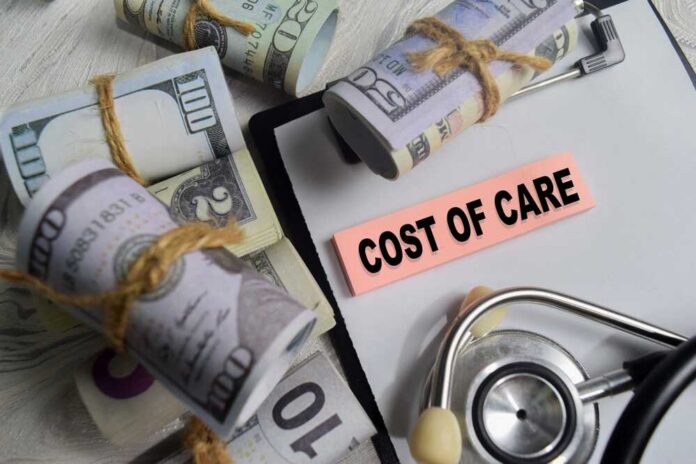
Hospitals are moving the billing fight to the front desk, and patients are feeling it first.
Story Snapshot
- Hospitals now ask for part or all of patient costs before scheduled care.
- Rising deductibles push more bills onto patients, straining family budgets.
- Systems say upfront collection cuts bad debt and billing costs.
- Price transparency rules aim to help shoppers but are uneven in practice.
Hospitals collect early because patient debt is harder to collect later
Hospitals across the country have shifted from “bill later” to “pay some now.” Many systems now estimate a patient’s share and seek payment before nonemergency care. They may ask for part or all of a remaining deductible, coinsurance, or a set percentage of the expected bill.
Executives say this change responds to two facts: deductibles rose, and collecting after care often fails. The result is more money requested earlier in the process, often at pre-registration or check-in.
Revenue leaders say up-front payments reduce bad debt and free staff from long collection chases. Wall Street Journal reporting attributes this to simple math: collecting after treatment takes time, costs money, and often comes up short, so hospitals want funds while the patient is still engaged.
Some centers now require full deductible payment for elective surgeries, with payment plans available but tighter screening than in the past.
The trend of hospitals asking for money up front represents a double whammy for patients. https://t.co/fzo3BqGvs7
— CBS Miami (@CBSMiami) August 12, 2026
High deductibles moved risk from insurers to families
The rise of high-deductible health plans changed who carries the payment risk. More patients must spend thousands before insurance pays. That pushes hospitals to treat patients like primary payers for much of the year.
Health finance analyses show that as patient balances climb into the thousands, collection rates fall fast, which pressures hospitals to collect earlier and more often. This shift has turned front desks into cashiers and sparked new friction at the point of care.
Patients feel the squeeze most on planned services. Scheduled imaging, outpatient surgeries, and therapies are the sweet spot for pre-service collection because staff can estimate costs and verify benefits.
Industry surveys and reporting describe hospitals calling days before a visit to explain the estimate and ask for payment or set a plan. Supporters claim this prevents surprise bills. Critics counter that estimates can be wrong and put families on the hook for cash they do not have.
Nonemergency versus emergency: lines hospitals cannot cross
Hospitals distinguish between emergencies and everything else. Federal law requires hospitals to assess and stabilize anyone with an emergency condition, regardless of ability to pay. Upfront collection policies center on elective and scheduled care, not emergency stabilization.
That legal boundary is clear, and most systems build it into scripts and training. The tension lives in the gray areas of “urgent but scheduled,” where families want fast care and hospitals still want the card on file.
Consumers face a trust problem. Many want prices before care, but many hospitals still struggle to present clear, usable numbers.
Patient advocacy groups say compliance with federal price transparency rules remains spotty, which makes any request for upfront cash feel risky for patients who fear later adjustments and balance bills. When hospitals demand money first but cannot show firm prices, they erode confidence and invite political blowback.
What aligns with common sense
Hospitals expecting timely payment for nonemergency, scheduled care fit basic market norms. People pay before driving off the lot or downloading an app; medicine is not exempt from arithmetic.
But health care is different because prices are often hidden, estimates vary, and the “buyer” may be stressed and vulnerable. A fair standard looks simple: show real prices up front, honor estimates within a tight band, and post clear charity and payment-plan options without red tape.
Hospitals push for upfront payments as patient deductibles and out-of-pocket costs rise – CBS News https://t.co/R8ADcliL6R
— lycangal29 (@lycangal29) August 12, 2026
Policy should reward transparency and personal responsibility without punishing illness. Require shoppable service lists that match real claims, display all facility fees, and lock estimates unless the clinical plan changes. Tie tax-exempt status to honest price posting and accessible financial aid.
Protect emergency access, ban pressure tactics in the emergency department, and promote interest-free plans for insured families facing high deductibles. These steps back hospitals that act like businesses and patients who act like adults.
How patients can stay in control before they pay
Patients can flip the script by asking four questions before handing over a card. First, what is the exact service code and cash price? Second, how did you calculate my share, and what assumptions could change?
Third, what is your written refund policy if insurance pays more than expected? Fourth, what no-interest plan or prompt-pay discount do you offer? Getting those answers in writing reduces surprises and turns a tense moment into a clear plan.
Sources:
pnhp.org, wsj.com, patientrightsadvocate.org, unitedstatesofcare.org, kffhealthnews.org, crowe.com, npr.org, hfma.org