A gunman walked into the parking lot of a Tucson gay bar carrying a note listing LGBTQ-associated businesses, and two men never made it home.
Quick Take
- Two men were shot and killed outside Venture-N, a gay bar in midtown Tucson, on August 31, 2026.
- Police say the suspect, identified as Ousman Ceesay, 44, carried a note naming several LGBTQIA+-associated businesses.
- Tucson Police Chief Monica Prieto ordered extra patrols near LGBTQIA+ establishments after the attack.
- Investigators say the suspect acted alone and see no continuing threat to the public.
- The case remains an open hate-crime investigation, with no charging document yet made public.
What Happened Outside Venture-N
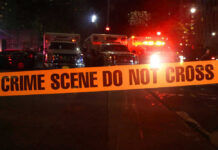
The shooting happened in the parking lot of Venture-N, a longtime gay bar in midtown Tucson. Police say the suspect confronted two men, Vincent Anthony Siqueiros and Cameron Davis Capara, before opening fire. Both men died. Tucson police say they found no prior connection between the shooter and his victims.
Tucson, Arizona, police investigate gay bar shooting as a possible hate crime https://t.co/k6JDf1ZcCK
— The Washington Times (@WashTimes) September 2, 2026
Officers say the suspect carried a written note listing multiple LGBTQIA+ associated businesses at the time of the attack. Tucson police described that note as a key reason they opened a hate-crime investigation into the killings.
The exact wording of the note has not been made public, but its existence has shaped how police and the community understand what happened that night.
Police Response And Community Reaction
Tucson Police Chief Monica Prieto announced her department would boost patrols at LGBTQIA+ establishments across the city following the shooting.
She said the move was meant to reassure a community shaken by an attack that struck at a place many considered safe. Venture-N’s owner told local reporters he was in shock, describing the victims as regulars at his bar.
Advocacy groups reacted fast. GLAAD and local LGBTQ leaders publicly called the shooting an anti-LGBTQ attack and urged stronger protections for queer spaces nationwide.
Vigils drew mourners who lit candles outside the bar, turning a parking lot crime scene into a gathering point for grief. Local outlets reported that the community’s fear was real, even as police continued to gather evidence.
Where The Investigation Stands Now
Police have said the suspect acted alone and that there is no ongoing threat to the public. That statement matters because it tells residents the danger from this particular attacker has passed, even while the broader investigation into his motive continues.
No formal hate-crime charge has appeared yet in a public charging document, which is normal at this early stage of a homicide case.
The suspect’s name has appeared with slightly different spellings across news outlets, a common hiccup in fast-moving crime coverage before police release an official booking record.
The man was identified as Ousman Ceesay, 44, and it was reported he was carrying the note listing LGBTQ-associated businesses when police responded. That detail, more than any other, is why investigators are treating this as a targeted attack rather than a random one.
Why The Hate-Crime Label Takes Time
Federal guidelines require investigators to gather enough facts to reasonably conclude bias played a role before a crime gets formally logged as a hate crime.
A note, a location, and a lack of any other apparent motive can support that conclusion, but the legal bar asks for more than a single piece of evidence. That process, while frustrating for a grieving community wanting answers now, protects the integrity of any eventual prosecution.
A shooting in Tucson, Arizona, is being investigated as a hate crime and double-murder suicide after a man killed two people in the parking lot of a gay bar. The shooter was injured at the scene and later died at a local hospital from his injuries. pic.twitter.com/2JaZaTrY6a
— 41NBC / WMGT-DT (@41NBC) September 2, 2026
Federal hate-crime data shows sexual-orientation bias accounts for roughly 17 percent of reported single-bias hate crimes nationwide, a consistent share over the last several years. That statistic doesn’t determine what happened in Tucson, but it shows that attacks like this one are not a fluke.
Investigators will keep building the case, and any charges will hinge on evidence beyond what has already been made public.
Sources:
cnn.com, youtube.com, news.azpm.org, glaad.org