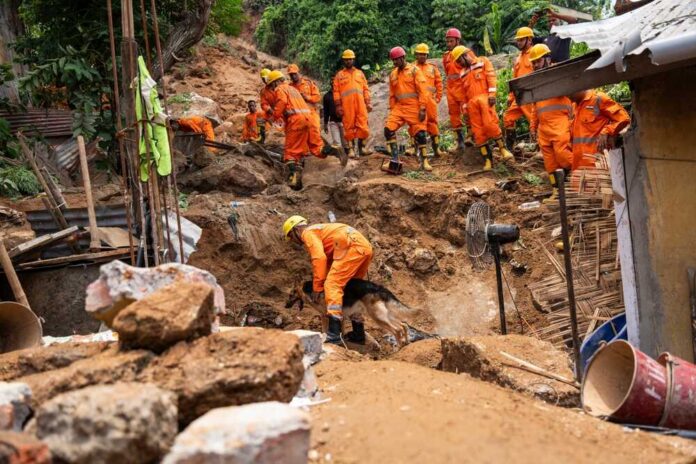
A war-damaged apartment block in Gaza City collapsed overnight, crushing sleeping families and triggering a frantic rescue hunt beneath the rubble.
Story Snapshot
- A six- or seven-story residential building in Gaza City collapsed before dawn.
- At least a dozen people were killed, with more injured and many feared trapped.
- Rescue crews worked by hand and light tools, short on heavy equipment.
- Conflicting early tolls reflect a chaotic scene, not a disputed collapse.
The Overnight Collapse And Immediate Aftermath
Local medical sources and the Palestinian Civil Defense reported the building gave way around 2:15 a.m. in southwest Gaza City. Families sheltering inside did not have time to flee.
Early counts ranged from at least eight to 19 dead, with more than two dozen injured and dozens still missing as crews dug through concrete and twisted rebar.
Reporters on the ground described a six- or seven-story structure damaged earlier in the war that had housed displaced families seeking a roof over their heads.
At least 20 people killed and dozens missing after war-damaged building collapses in Gaza, local rescue teams say https://t.co/7kDFDGdrli
— BBC Breaking News (@BBCBreaking) September 16, 2026
Rescue teams moved fast but lacked cranes and excavators. Workers formed bucket lines. Neighbors carried stretchers. Medics set up triage near the site and moved the wounded to nearby hospitals as daylight broke. Officials said they expected the numbers to rise as they reached lower floors.
Such collapses often leave narrow survivable voids, but time and dust work against victims trapped below. Hours matter in these digs, and every minute lost to tool shortages can cost lives.
Why War-Damaged Buildings Fail Later
This collapse tracks a known pattern in war zones. Blasts weaken columns and shear joints. Water, wind, and aftershocks from nearby strikes speed the decay. People then crowd damaged buildings for shelter, adding weight and strain.
Over months, a structure that once stood with scars can hit a quiet tipping point. In Gaza, widespread destruction has left many homes compromised. Analysts and aid groups have tallied damage at a scale that makes late failures a recurring hazard, not a rare shock.
The numbers out of this incident also follow a clear pattern seen in conflict reporting. Wire services and local officials can quickly confirm that a building fell and people died. Exact fatality counts move slower. Debris is heavy. Stairwells pancake.
Teams must cut through slabs before they can count and identify the dead. That is why early figures often differ by outlet. Here, the Associated Press, Xinhua, and Reuters-linked items converged on the core facts, even as tallies and floor counts varied.
Search And Rescue Under Constraint
Palestinian Civil Defense responders worked with what they had: handheld saws, jackhammers, and ropes. Witnesses said many volunteers joined in moving rubble and listening for voices. Responders warned that a lack of heavy gear slowed entry to deeper pockets.
In past Gaza incidents, access rules and scarce equipment have delayed recovery for weeks. Speed saves lives in collapses; gear equals speed. That blunt math favors well-supplied teams, which Gaza crews often are not.
Hospitals near the site reported a steady flow of trauma cases. Doctors treated crush injuries, fractures, and asphyxiation. Children made up part of the intake, which is common when families sleep together on lower floors. Medics urged donors to provide fuel, surgical kits, and imaging supplies.
Structural engineers, if allowed in, will study shear lines, column spalls, and rebar breaks to map the failure. But for families outside the rubble pile, the only test that matters is whether loved ones walk out alive.
What This Event Says About Risk Ahead
Gaza’s building stock now carries layered risk. First, initial blast damage. Second, delayed failure from time, weather, and vibration. Third, overloading by displaced families. Fourth, thin rescue capacity when things fall apart. This stack turns every cracked column into a dice roll.
The night this building failed, families slept through their final warning. Reporters counted bodies and feared the tally would grow. Crews promised to keep digging. That arc repeats when cities are battered for months.
The facts here are stark and not in dispute: a damaged residential building collapsed in Gaza City, people died, and many more were trapped.
Sources:
apnews.com, reutersconnect.com, pbs.org, abcnews4.com, en.abna24.com