America’s top general says the military will not send troops to polling places this November, shutting down election-day fearmongering with a clear, legal line.
Story Highlights
- Chairman Gen. Dan Caine says there are no plans to deploy federal troops or federalized Guard to polling places.
- The statement also rejects any plan to seize ballots, voting machines, or election materials.
- Federal law has long made “troops at the polls” a crime except to repel armed enemies.
- Congressional Democrats pressed for reassurances and floated new bills despite existing protections.
Top General’s Written Assurance: No Troops at the Polls
Gen. Dan Caine, chairman of the Joint Chiefs of Staff, told Congress that the “Joint Force has no plans” to send federal troops or federalized National Guard to polling places during the 2026 elections.
He also said there are no plans to seize ballots, voting machines, or other election materials. His written response came after lawmakers asked for clarity ahead of November. News reports confirmed Caine’s direct denial and the scope of his statement to Congress.
Associated Press summaries echoed the same bottom line: no troop deployments to polling sites are planned. The message came as some Democrats warned about election interference scenarios.
The Pentagon’s top officer cut through the noise with a plain answer. He focused on what the military will not do on Election Day. That helps state and local election workers prepare without the shadow of a federal troop presence at voting locations this fall.
US military has no plans to be at polling places, Caine says in letter to Sen. Slotkin https://t.co/0xgNBSlSJD
— John Solomon (@jsolomonReports) September 1, 2026
The Law: A Civil War–Era Ban Still Guards the Ballot Box
United States law has barred troops and armed federal agents from polling places for more than 150 years. Title 18, Section 592 makes it a crime to order or keep “troops or armed men” where an election is held, unless needed to repel armed enemies.
Congress wrote this to protect voters from intimidation and federal coercion. Legal analysts describe this as a sturdy wall that limits Washington’s role in state-run elections across the country.
Policy groups explain that many public debates blur three different things: actual polling-place deployment, security elsewhere, and normal police presence under state law.
The federal ban is strict at the polls themselves, while routine local law enforcement can handle safety nearby. That line exists to keep voting locations calm and free from fear. It lets citizens cast ballots without a show of federal force, which aligns with our Constitution’s design for elections.
Why This Matters for Voters
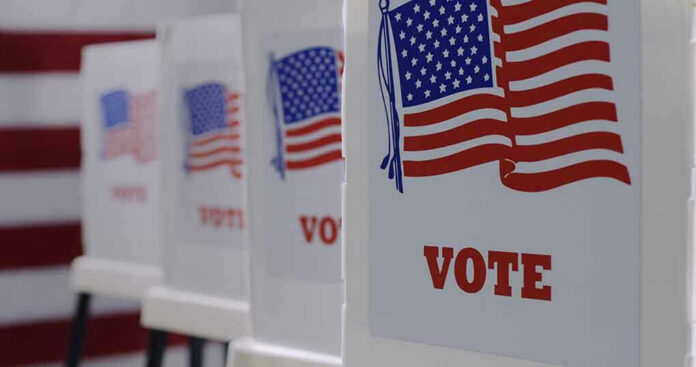
Many people value elections run close to the people, not from Washington. The general’s statement affirms that principle. State and local officials run Election Day. Voters do not need tanks, troops, or federal agents at the precinct door.
The law is clear, and the military says it is following the law. That keeps power where it belongs and protects Americans from federal intimidation at the ballot box, no matter which party is in charge.
Some in Congress continue to push new bills that would further restrict federal forces at polling sites. Sponsors say they want to close loopholes. But the long-standing statute already criminalizes troops at the polls, with a narrow exception for repelling armed enemies.
The current legal guardrails are strong, and the chairman’s pledge signals respect for them. Voters should expect Election Day to be run by states, with the military staying in its lane.
What to Watch Before November
State and local election offices will handle security and logistics as usual. If problems arise, states can use ordinary law enforcement under their rules, not federal troops. The military’s role remains separate and limited by law.
The clear stance from the top helps cut down on rumors that can confuse or scare voters. Citizens should look for updates from their state election officials, who own the process and answer to the people they serve.
Sources:
apnews.com, inquirer.com, laws-lois.justice.gc.ca, snopes.com, law.cornell.edu, lawfaremedia.org, brennancenter.org