President Trump warned Iran that 1,000 U.S. missiles are “locked and loaded” if Tehran tries to assassinate him, and he says the military has standing orders to decimate the regime if needed.
Story Highlights
- Trump says 1,000 missiles are ready to strike Iran if Tehran targets him.
- The warning follows reports of an Iranian plot and past vows to retaliate for Soleimani.
- Iran’s government has publicly denied planning to kill Trump, calling for confidence-building.
- The Federal Bureau of Investigation (FBI) documents Iran-linked threats to Americans, adding context.
Trump’s Ultimatum: Deterrence Against Assassination Threats
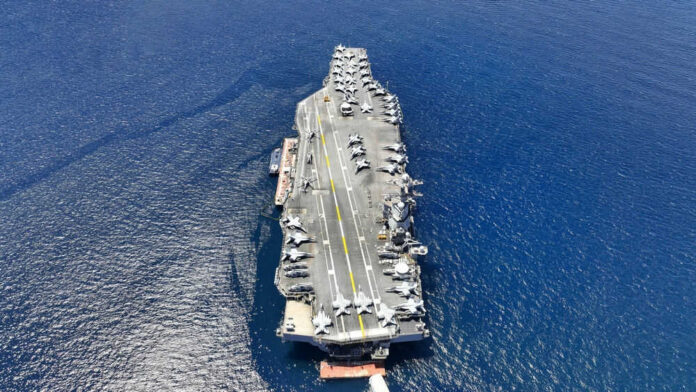
President Donald Trump posted that the United States has 1,000 missiles “locked and loaded” and aimed at Iran if the regime attempts to assassinate him. He added that the U.S. military stands ready to “completely decimate and destroy all areas of Iran” in response to any such attack.
The statement set a clear red line and a rapid response posture intended to deter Tehran and its proxies from targeting an American president or other U.S. officials.
Trump threatens to 'decimate' Iran if it tries to kill him, as Treasury sanctions alleged Iranian financier https://t.co/gsTgxJ8bIX
— CNBC (@CNBC) July 11, 2026
Reports in recent days said Israel shared intelligence with Washington about a fresh Iranian plot to kill President Trump. While details remain classified, multiple outlets echoed that warning and described heightened concern among U.S. security circles.
The message from the White House side is simple: the cost of touching an American leader will be overwhelming and swift. That clarity seeks to prevent miscalculation by Iran’s hardliners and affiliated networks.
Tehran’s Denial and the Credibility Gap
Iran’s Foreign Minister has publicly denied any plot to assassinate President Trump and called for steps to build confidence with the United States. The denial, made in prior statements, disputes claims of a state-directed plan to target the U.S. leader.
However, past Iranian vows to avenge Qasem Soleimani and previous operations tied to Iranian networks temper how Washington and allies receive such denials. Words alone may not erase a long track record of hostile activity.
American law enforcement has warned for years about Iranian intelligence and military threats on U.S. soil. The Federal Bureau of Investigation outlines Iranian attempts to surveil, harass, or target dissidents and officials inside the United States.
That background shapes how security agencies read new signals from the region. It also explains why the Trump administration is broadcasting deterrence now, rather than after an attempt forces a crisis at home or abroad.
Why Deterrence Matters For American Security and Energy Stability
U.S. leaders know that a successful strike on an American president would hit more than one person. It would attack our institutions, our elections, and our national dignity. Strong deterrence tells hostile regimes that America will not bend to terror tactics.
It also helps keep global markets steadier. Clear red lines in the Persian Gulf reduce chances of panic in oil supply routes, which hit family budgets through higher fuel, grocery, and shipping costs when chaos spreads.
US President Donald Trump threatened to “completely destroy and eliminate” Iran if Tehran attempts to assassinate him. Simultaneously, the US Treasury Department announced sanctions against an individual alleged to be an Iranian financial manipulator.… pic.twitter.com/teZfr6xfJj
— Yulia (@YuliaXAUUSD) July 13, 2026
For conservatives, this is about restoring peace through strength. Washington cannot allow a regime that chants for America’s death to think it can pick off our leaders. The Constitution vests the president with the duty to protect the nation.
Signaling readiness now defends that duty and protects everyday Americans from the ripple effects of conflict. Order, not appeasement, preserves our liberty, our economy, and our place as a sovereign nation that sets its own course.
What To Watch Next: Signals, Sanctions, and Security
Watch for coordinated messages from U.S. defense and diplomatic officials that reinforce deterrence and close gaps Iran could misread. Track any new sanctions or financial actions that limit funding to Iranian security services and proxy groups.
Look for allied alignment, especially with Israel and European partners, on intelligence sharing and maritime security. Finally, expect continued U.S. security upgrades around key leaders and sites as agencies work to prevent any attempt before it starts.