An 8-year-old girl in Louisiana died last week after a rare amoeba entered her brain during a swim in a local lake, her family and state health officials confirmed.
Story Snapshot
- Lillian Smart, 8, of Ruston, Louisiana, died after contracting Naegleria fowleri, often called the “brain-eating amoeba.”
- Louisiana health officials say it is the state’s first confirmed case since 2013, likely tied to swimming in Lake Claiborne.
- The infection came one day after her birthday; she spent roughly a week in the pediatric intensive care unit before dying.
- The disease is almost always fatal but extremely rare, with fewer than 10 U.S. cases confirmed most years.
A Birthday Swim Turned Into A Family’s Worst Nightmare
Lillian Smart celebrated her birthday just one day before she fell ill. Her family says she had been swimming in Lake Claiborne, a popular recreation spot in northern Louisiana.
Days later, she was admitted to the pediatric intensive care unit. Doctors diagnosed her with a Naegleria fowleri infection, a diagnosis her family later confirmed through a heartbreaking Facebook post.
Louisiana girl, 8, dies after contracting suspected brain-eating amoeba linked to lake swim https://t.co/2ePzicdPKB pic.twitter.com/tBcsEaIOql
— New York Post (@nypost) August 24, 2026
The family wrote that “the injuries to her brain were too severe for her little body to recover from,” adding that “everyone did everything they could to keep her here”.
Those words, shared publicly, quickly spread across news outlets and social media, turning a private tragedy into a nationwide health story within a day of her passing.
State Health Officials Confirm A Case Not Seen In Over A Decade
The Louisiana Department of Health said this marks the state’s first confirmed Naegleria fowleri infection since 2013. Officials said the child “likely contracted” the amoeba while swimming in Lake Claiborne.
The department does not name individual patients or comment on specific cases, so identifying Lillian as the child involved came through family statements and local news reporting, not an official announcement naming her directly.
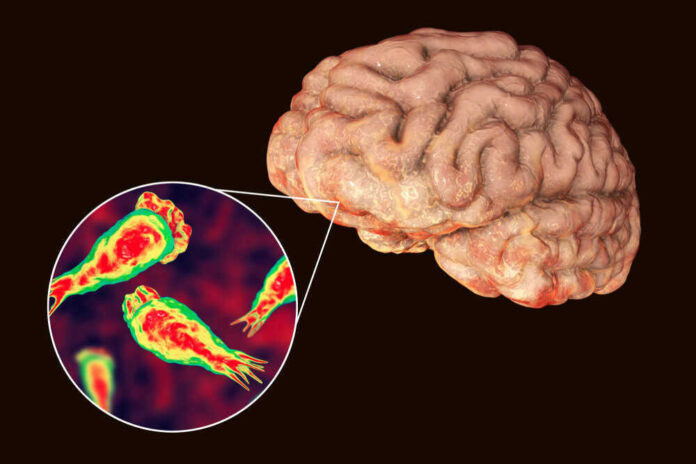
Naegleria fowleri lives naturally in warm freshwater lakes, rivers, and hot springs across the southern United States. It causes an infection called primary amebic meningoencephalitis when contaminated water enters the nose and the amoeba travels to the brain. Fox News and other outlets reported that this route of infection almost always proves fatal once symptoms begin.
Why This Illness Terrifies Parents Despite Its Rarity
The numbers explain why cases like this feel both devastating and shocking. The Centers for Disease Control and Prevention (CDC) reports that only 180 confirmed cases occurred in the United States between 1937 and 2025, and fewer than 10 people typically get infected each year. Survival is almost unheard of. Between 1962 and 2024, just four of 167 reported patients lived through it.
Research on recreational water exposures from 1978 to 2018 found that most infections were traced to lakes, ponds, or reservoirs, with no meaningful upward trend in annual case counts.
That data shows Naegleria fowleri has stayed rare for decades, even as warm-weather lake swimming remains a common summer activity across the South. The danger has not grown. The awareness of it, driven by cases like Lillian’s, often outpaces the actual statistical risk.
What Families Can Do To Lower The Risk This Summer
Health officials recommend simple precautions during warm-weather swimming season. Nose clips or holding your nose shut while jumping or diving into warm freshwater can block the amoeba’s main entry point.
Avoiding swimming in warm, stagnant water during periods of high heat and steering clear of digging in warm freshwater sediment also reduces exposure risk, according to public health guidance tied to past outbreaks.
💔 8-year-old girl goes swimming in a lake — and dies from a “brain-eating amoeba”
What began as an ordinary swim in a Louisiana lake ended in an unimaginable tragedy for one family.
Eight-year-old Lillian Smart was swimming in the warm waters of Lake Claiborne, Louisiana, when… pic.twitter.com/Kj2shMRWku— TrendMingle (@TrendMingles) August 25, 2026
Lillian’s family has asked for prayers and privacy as they grieve. Their willingness to share her story publicly has already pushed the conversation about lake safety into homes across the country ahead of Labor Day weekend gatherings, when many families make one last trip to the water before summer ends.
Sources:
cbsnews.com, abc7ny.com, foxnews.com, nytimes.com, ldh.la.gov