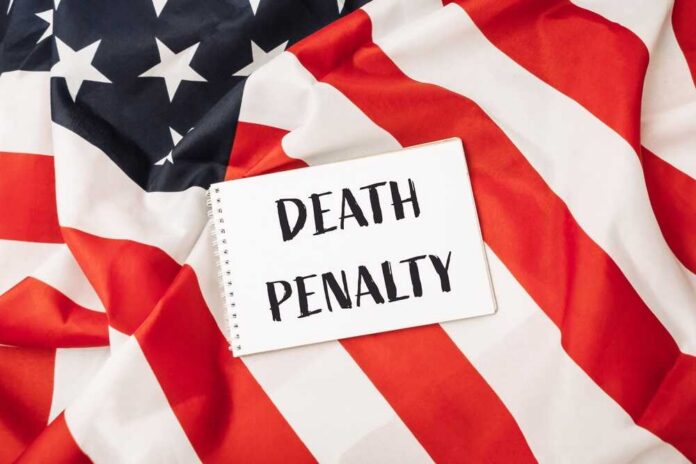
A Utah judge said the evidence is strong enough to try Tyler Robinson for Charlie Kirk’s killing and to keep the death penalty on the table.
Story Snapshot
- Judge Tony Graf found probable cause for all seven charges, including aggravated murder.
- The ruling accepts the state’s claim that Robinson knowingly put others at risk, a key death-penalty factor.
- Prosecutors pointed to surveillance, forensics, and reported texts after the shooting.
- The hearing only required probable cause, not proof beyond a reasonable doubt.
Judge Graf’s Ruling Moves the Case Into High Stakes
Fourth District Judge Tony Graf ruled that prosecutors met the low but vital bar of probable cause. He bound Robinson over for trial on all seven counts, including aggravated murder and related gun and obstruction charges.
The judge also accepted the state’s theory that the shot created a known risk to others nearby, which preserves death-penalty eligibility at this stage. The decision set the case on a path where a jury will test each claim under the highest standard at trial.
Judge sends Charlie Kirk murder case to trial with defendant facing potential death penalty https://t.co/vBwzuwm3BX
— Chicago Tribune (@chicagotribune) September 2, 2026
The Utah County Attorney’s Office set clear expectations before the hearing. The office said a preliminary hearing decides only whether probable cause exists and that prosecutors carry that burden.
That standard explains why the hearing was short on full trial-level proofs but long on enough links to move forward. The public often hears “bound over” and thinks “guilty,” but the law treats it as a gateway, not the finish line.
The Evidence Package the State Says Connects Robinson
Prosecutors described a stack of surveillance clips, ballistic work, and DNA that they say tie Robinson to the weapon and scene. They also cited a Dremel tool found at his home, suggesting later tool work on a gun part.
Reported text messages sent right after the shot add a blunt confession: “I had the opportunity to take out Charlie Kirk and I took it,” and a motive claim about “hatred.” A judge can weigh such reports at this stage, even if defense objections follow at trial.
Capital cases often rest on one or two legal hooks that raise the stakes. Here, the hook is whether the shooter knew his shot put others at a high risk of death. The state says the venue layout, crowd size, and line of fire show that risk.
The judge agreed that, for now, the facts clear the probable-cause bar. A jury will later decide if that risk was real and known when it counts most—under oath, under cross, and beyond a reasonable doubt.
The Defense Strategy: Narrow the Fight to the Aggravator
Robinson’s lawyers focused on the death-penalty factor, not on whether he fired the shot. They argued the single bullet hit the target and did not endanger others, and that the state failed to prove the “high probability” element for anyone else.
They also said the bullet path went above the crowd, not through it. They aim to cut the death penalty from the case by knocking out that aggravating factor before trial, but the judge declined to do so now.
A Utah judge just bound Tyler Robinson over for trial in the assassination of Charlie Kirk.
Judge Tony Graf ruled Tuesday that prosecutors showed enough probable cause on all seven charges. Robinson pleaded not guilty. Graf also left the death penalty on the table. He found… https://t.co/IWYVmTnoxZ pic.twitter.com/cV4jcwo4um
— sandym (@Sandy1Texas) September 2, 2026
This split—limited dispute on the shooting, fierce fight on death-eligibility—shapes how the public reads the case. One side points to videos, forensics, and alleged texts. The other drills down on geometry, distance, and sightlines.
Common sense says both claims can be tested with maps, angles, and careful expert work. The courtroom should see that work in full, not in sound bites. That is the best way to reach a fair and final answer that respects the law and the victim.
What Comes Next and Why It Matters
The path forward runs through fuller discovery, expert analysis, and pretrial rulings on what the jury may hear. Expect fights over the alleged texts’ foundation, the exact shooting trajectory, and any tool-mark or DNA statistics.
Expect more debate on Utah’s standards for aggravation and the difference between what is risky and what the defendant knew was risky. The court has opened the door; the trial will decide what walks through it and what gets left outside.
Sources:
apnews.com, rev.com, npr.org, foxnews.com, yahoo.com, abc4.com, atty.utahcounty.gov, wbaltv.com, reuters.com, cnn.com, washingtonpost.com, law.justia.com